Cygnus

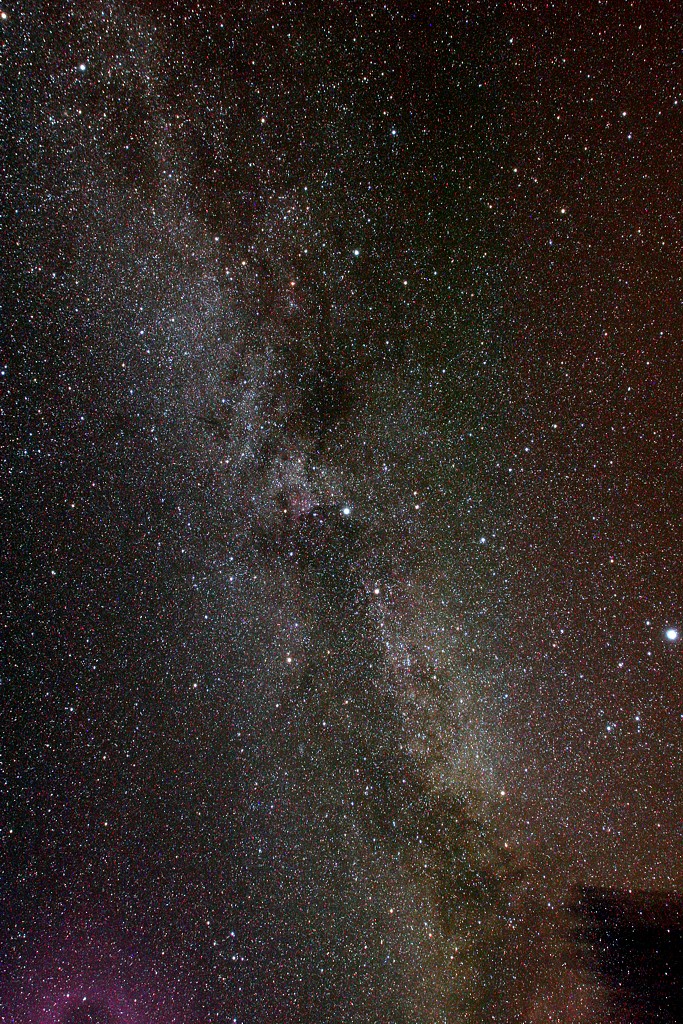
A 32 minute exposure at iso200 through a Canon 17-40/4L (17mm @ F/5.6) of Cygnus and surrouding constellations with the milky way in the background.
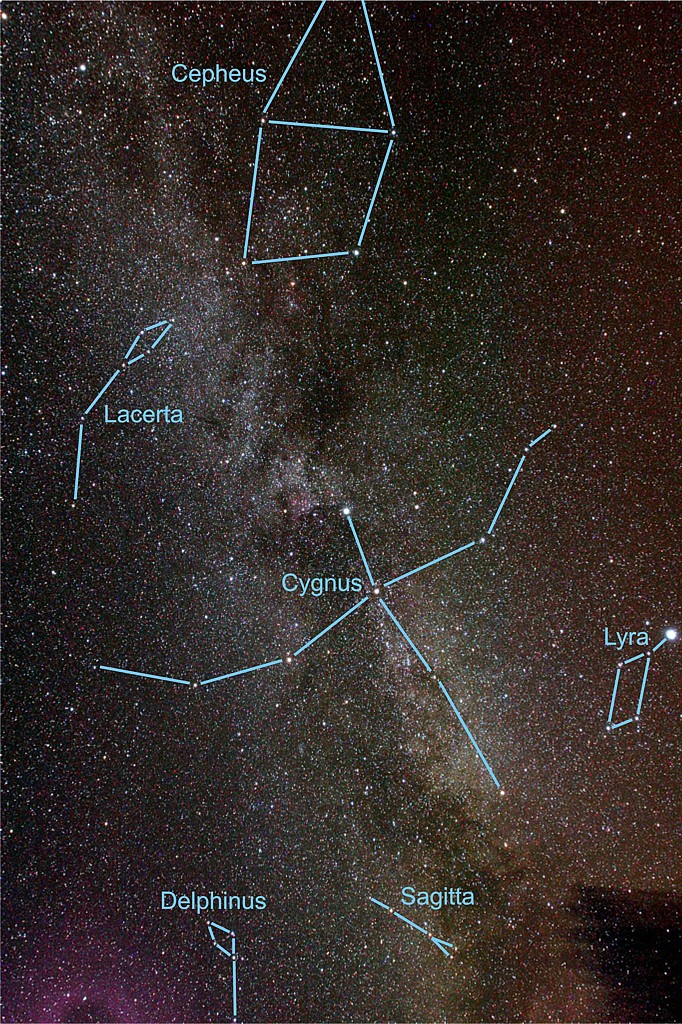
There is a tree at the bottom right, and some local light-pollution bottom left, otherwise I am quite happy with this first serious go at a wide-field milky way picture. A dew-heater will allow longer uninterrupted sessions, and the fine focus could be improved slightly. Perhaps I should use a higher iso setting?

Update: after some discussion it seems that the red problems in the lower left corner may be due to amplifier-noise in the camera. Stacking a number of shorter exposures, for example 6x 10 min, is a better way of achieving a long total exposure with a DSLR. Cooled CCD cameras made for astrophotography are better for very long exposures - but also cost significantly more than consumer DSLRs.
KLV IOM ranking race

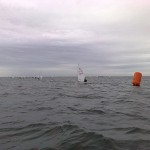
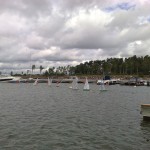
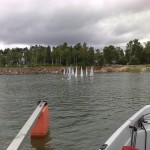
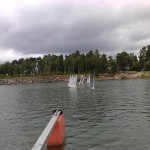
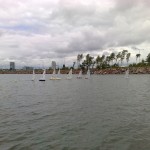
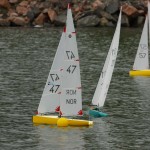
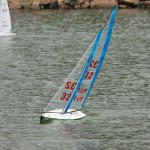
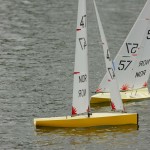
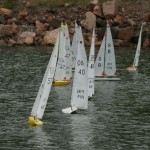
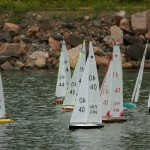
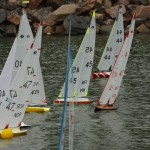
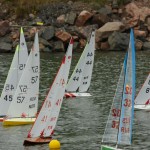
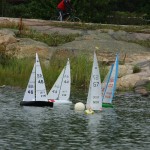
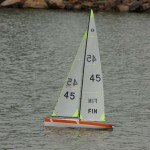
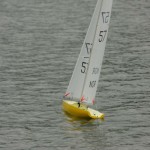
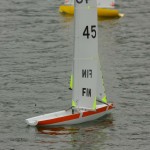
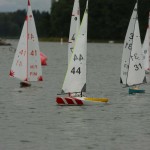
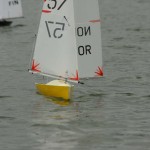
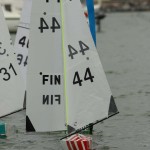
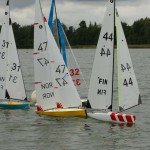
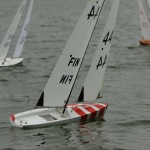
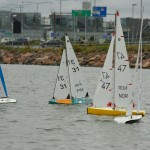
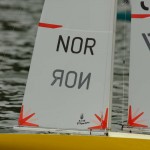
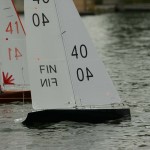
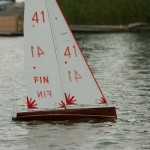
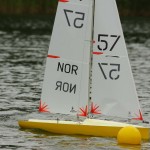
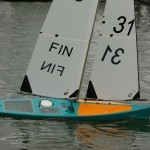
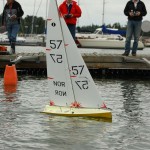
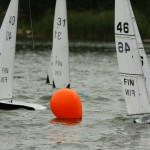
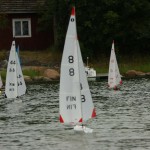
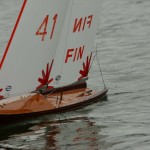
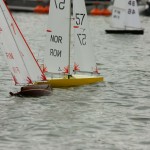
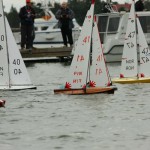
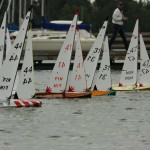
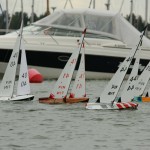
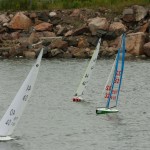
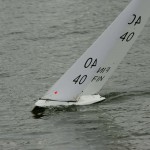
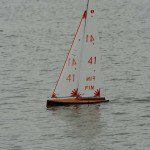
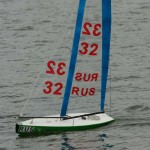
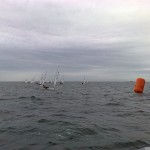
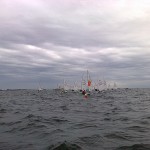
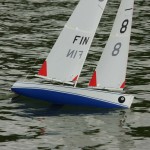
10 boats, including two guest sailors from Russia with Naviga one-metres, completed 12 races in varying no1 rig conditions.
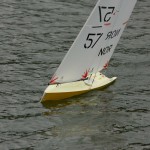
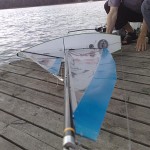
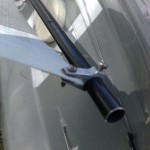
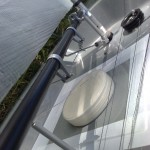
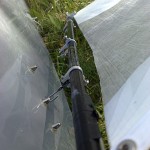
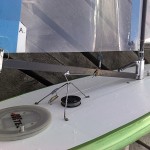
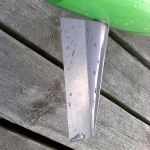
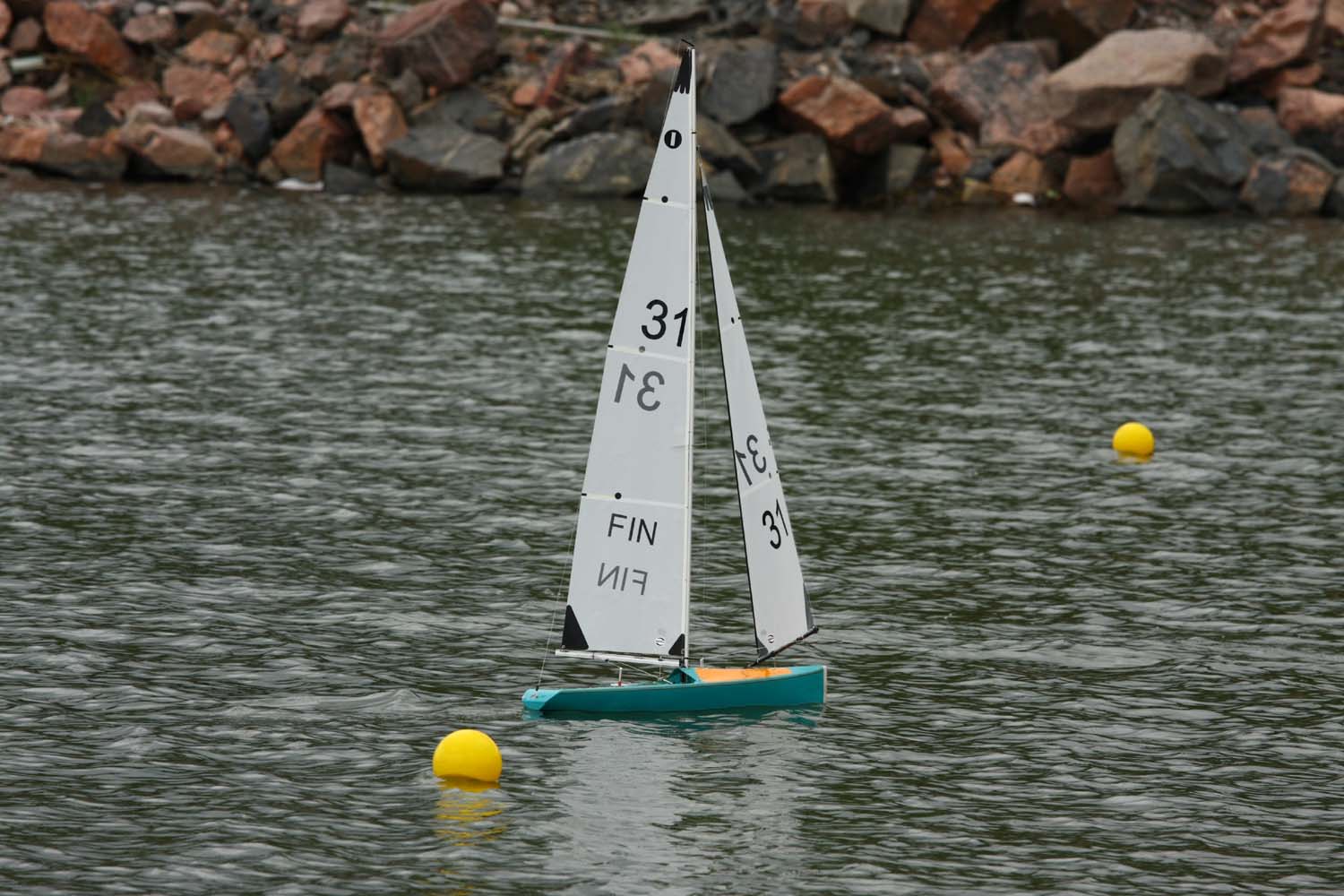
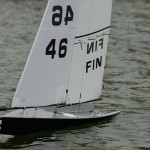
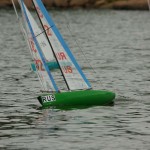
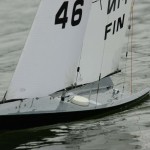
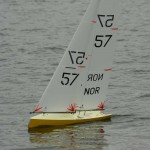
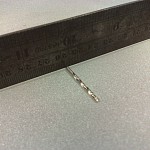
The pictures show some cnc-milled aluminium fittings by Jari Immanen, and Oleg Konka's RUS-32, a Naviga one-metre built by Janus Walicki. Note the rudder. The forward section has an airfoil shape while the aft half of the rudder is a very thin and flexible carbon sheet.
IOM Nordic Cup, race 2

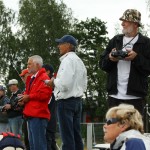
Update: Thanks to Jorma Ojama for sending me some nice pictures from the first six races!

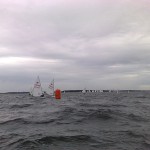
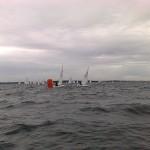
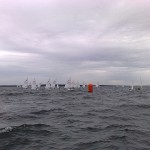
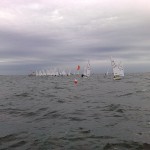
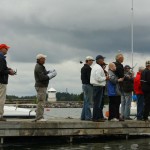
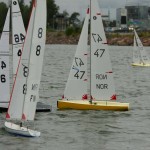
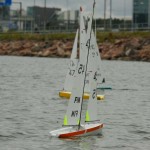
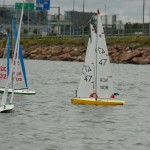
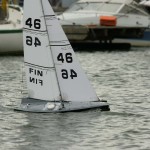
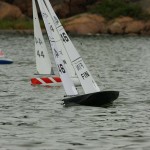
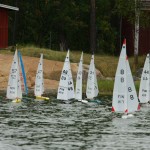
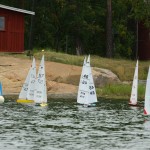
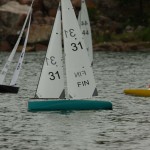
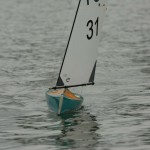
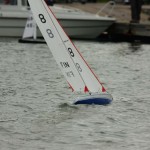
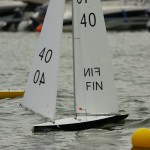
Race 2 of the IOM Nordic Cup (also known as the Scandinavian Cup, although that name is much longer and geographically incorrect) was sailed on 9 Aug 2008 at NJK Björkholmen. Only ten skippers showed up, probably partly because Helsinki/Finland is far away, but also because our own Finnish ranking series has seen a decline in participants this year (could smaller more readily available boats solve this?). 12 races in a shifting westerly wind were completed.

Results on iom-nordic.org

Race 3 of the series will be sailed on 20-21 September in Prestø, Denmark

Why can't AIP/Scitation do RSS feeds right?

I follow a number of scientific journals through their RSS feed of new articles. Google-reader makes it easy to stay on top of the 20 or so most interesting journals that each publish maybe 10 papers per week.
But now AIP and their website provider Scitation are messing it all up. They've decided to expand their archives and are putting scanned pdf articles from around 1979-1981 online. The trouble is these papers are showing up as new articles in the RSS feed! Not only that, but the text in the RSS feed shows the papers as appearing now, in 2008. It's only when you click through to the journal homepage that you realize the thing is 20+ years old.

This becomes very frustrating when suddenly APL or Rev.Sci.Instr indicates that they have 200 or more new papers! If they wanted to advertise to the world their 1980s physics they should do it with a different RSS feed.

I've emailed AIP and Scitation about this, but didn't get a reply. If you have the same problem I urge you to also email them and complain!

Rough grinding continues

Started out this evening with a 1 mm sagitta on the 240 mm mirror.

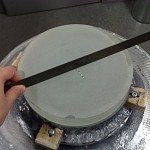
Started with no60 carborundum and ca. 20 + 30 min of grinding, which got us down to a 1.9-2.0 mm sagitta. The picture shows a 2.0mm drill bit under a steel ruler used for measuring the sagitta. The surface of the mirror is quite rough and appears white when dry.

Switched to no80 carborundum. Grinding is now much smoother with the mirror gliding easily across the tool with less sticking events. After about 30+30 min of grinding we are down to a 2.3 mm sagitta. A quick-and-dirty test shows around a 3 m radius of curvature. Surface now smoother to the touch, still white when dry.

Next stop: build a Focault-test/Ronchi-test jig to properly measure the focal length and the shape of the mirror (see for example plans here). Think about moving down to no150 carborundum.

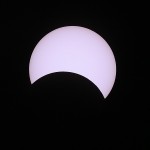
Partial Solar Eclipse

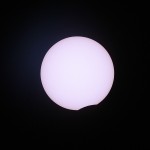
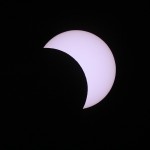
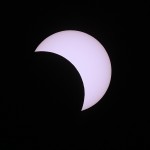
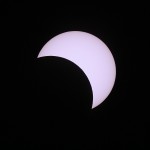
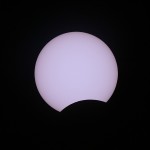
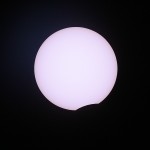
Today's partial solar eclipse happened from 11:44 to 13:55 local time, so we combined observing the eclipse with a lunch-picnic for the whole lab.

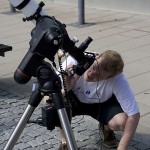
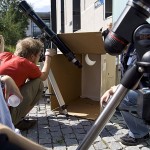
One telescope with a 25mm positive lens at the eye-piece projected an image of the sun into a cardboard box. Another was used with a tracking mount and an OD=5 solar filter for visual observations and photography.

It was cloudy before the eclipse and rainy in the afternoon so we were lucky with the weather!

Variations on the same theme: