Archive for the ‘IOM Building’ Category

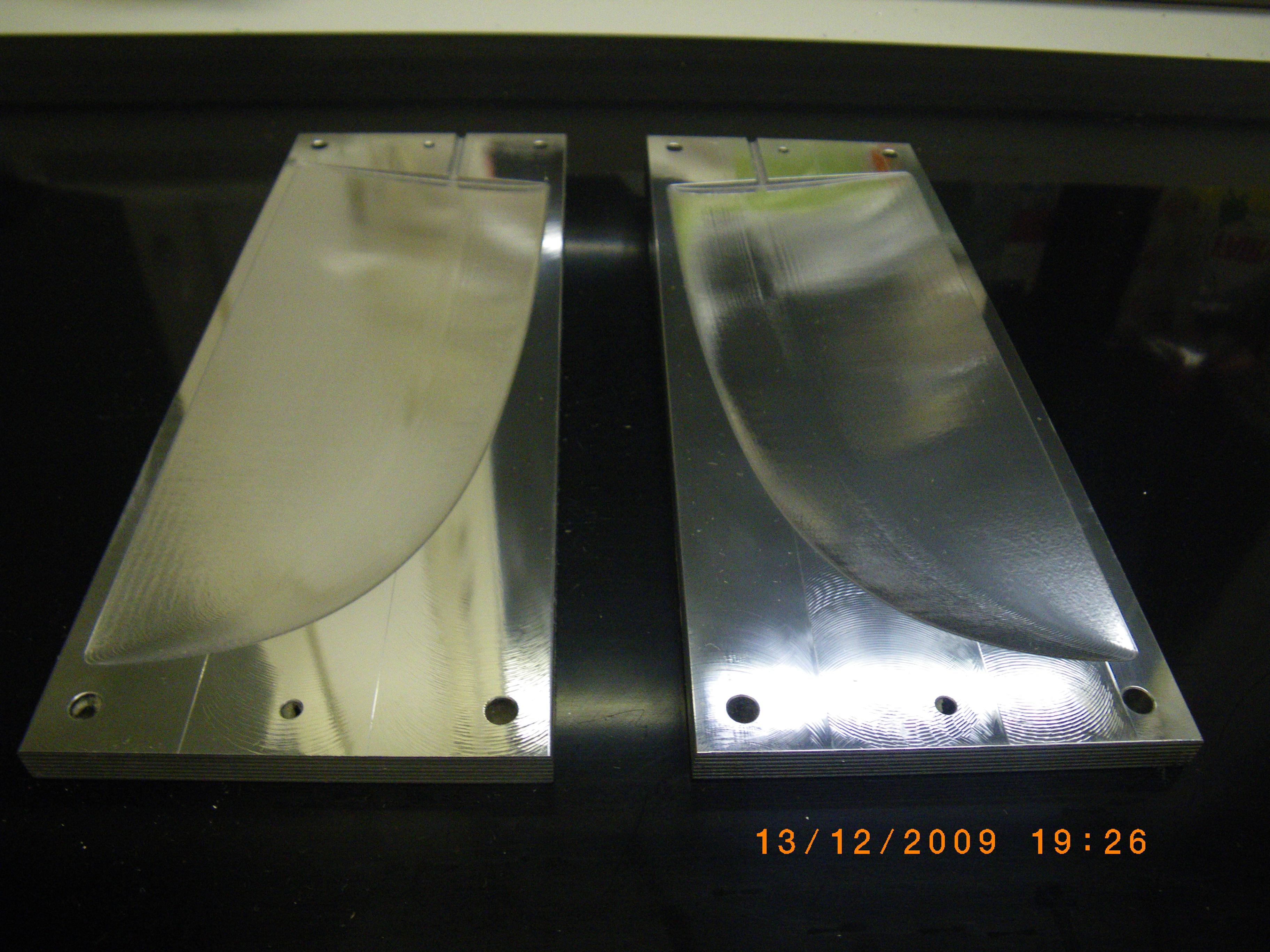
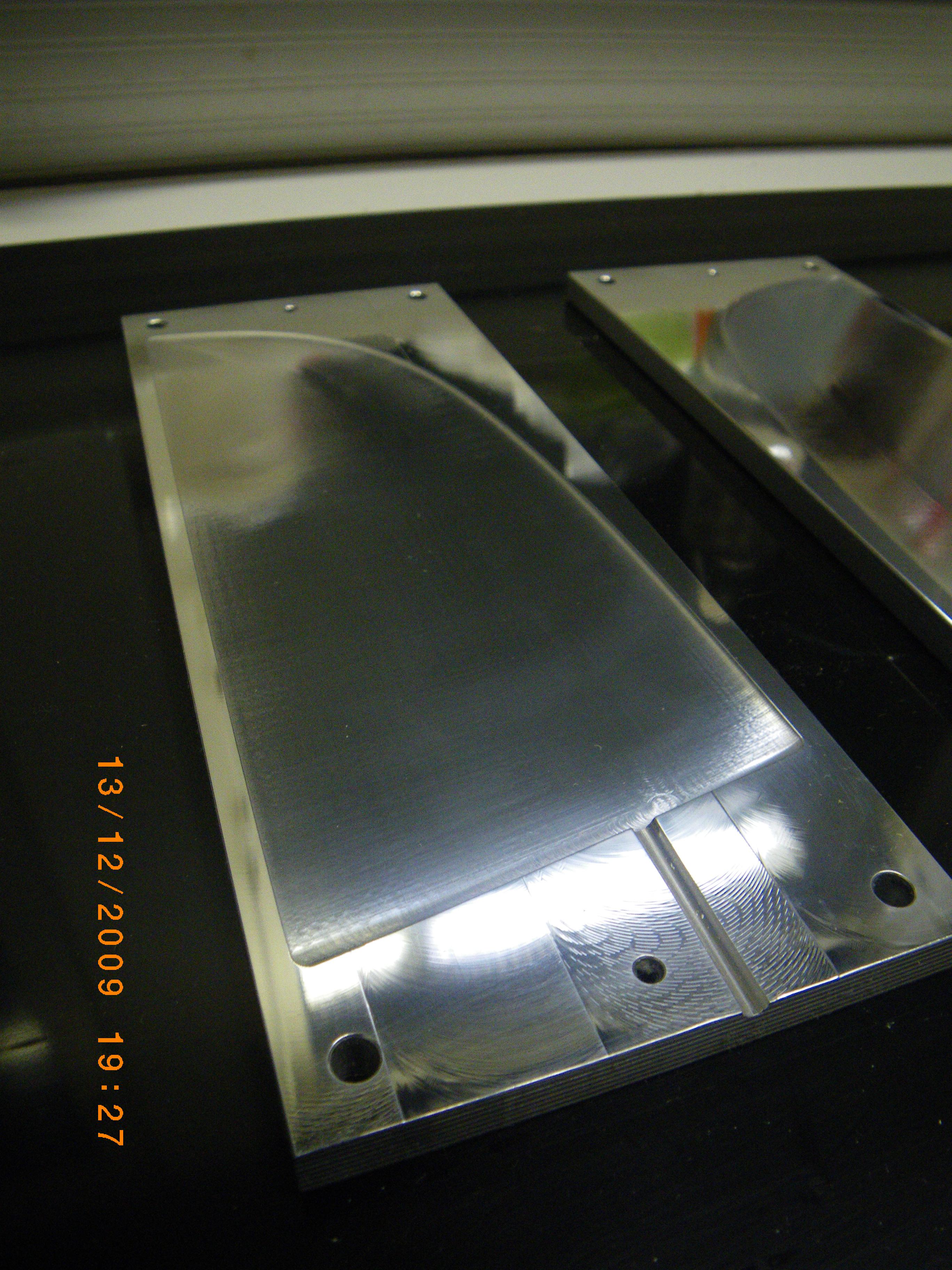
IOM fin and rudder moulds

Sunday, June 29th, 2008

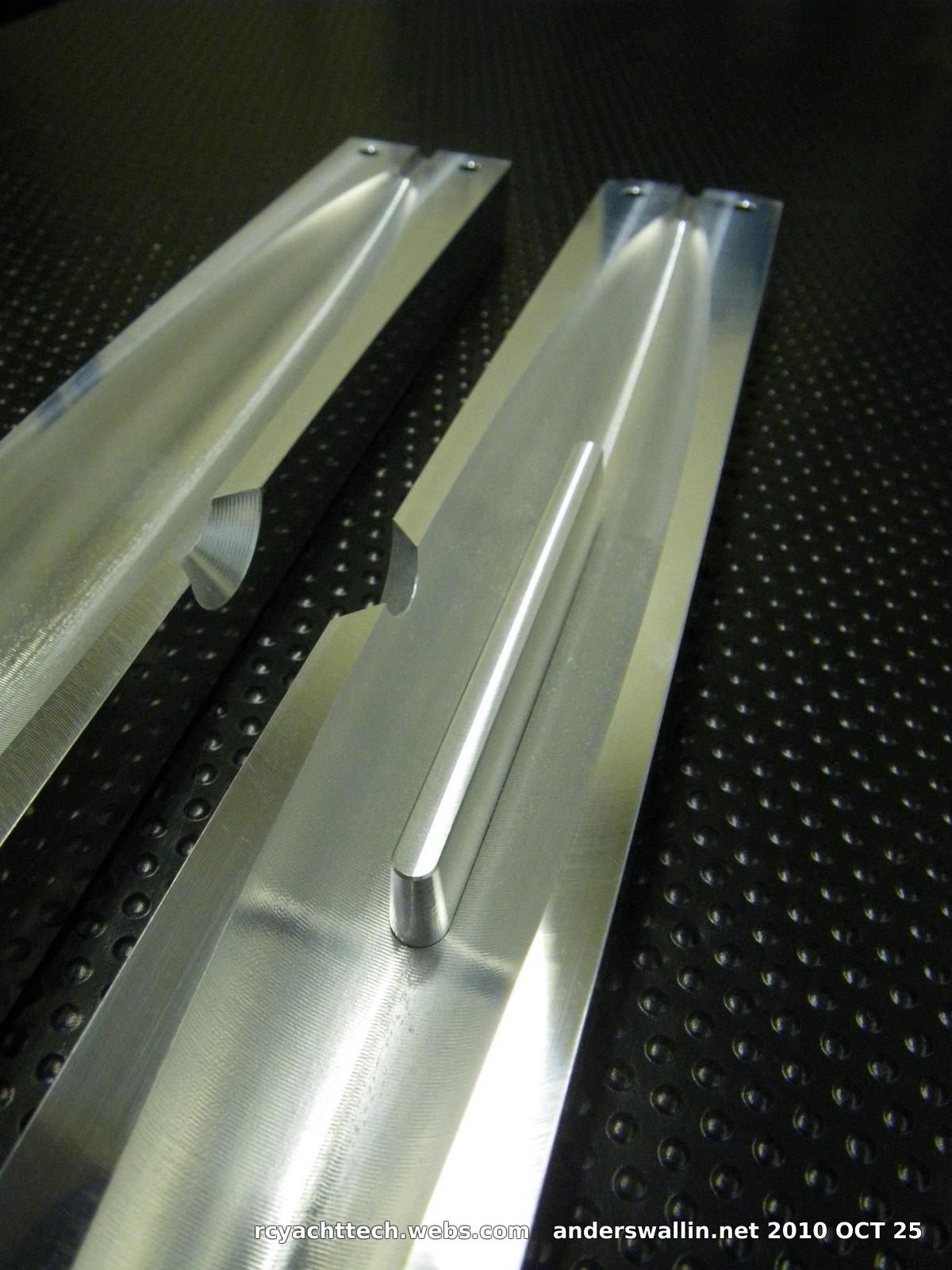
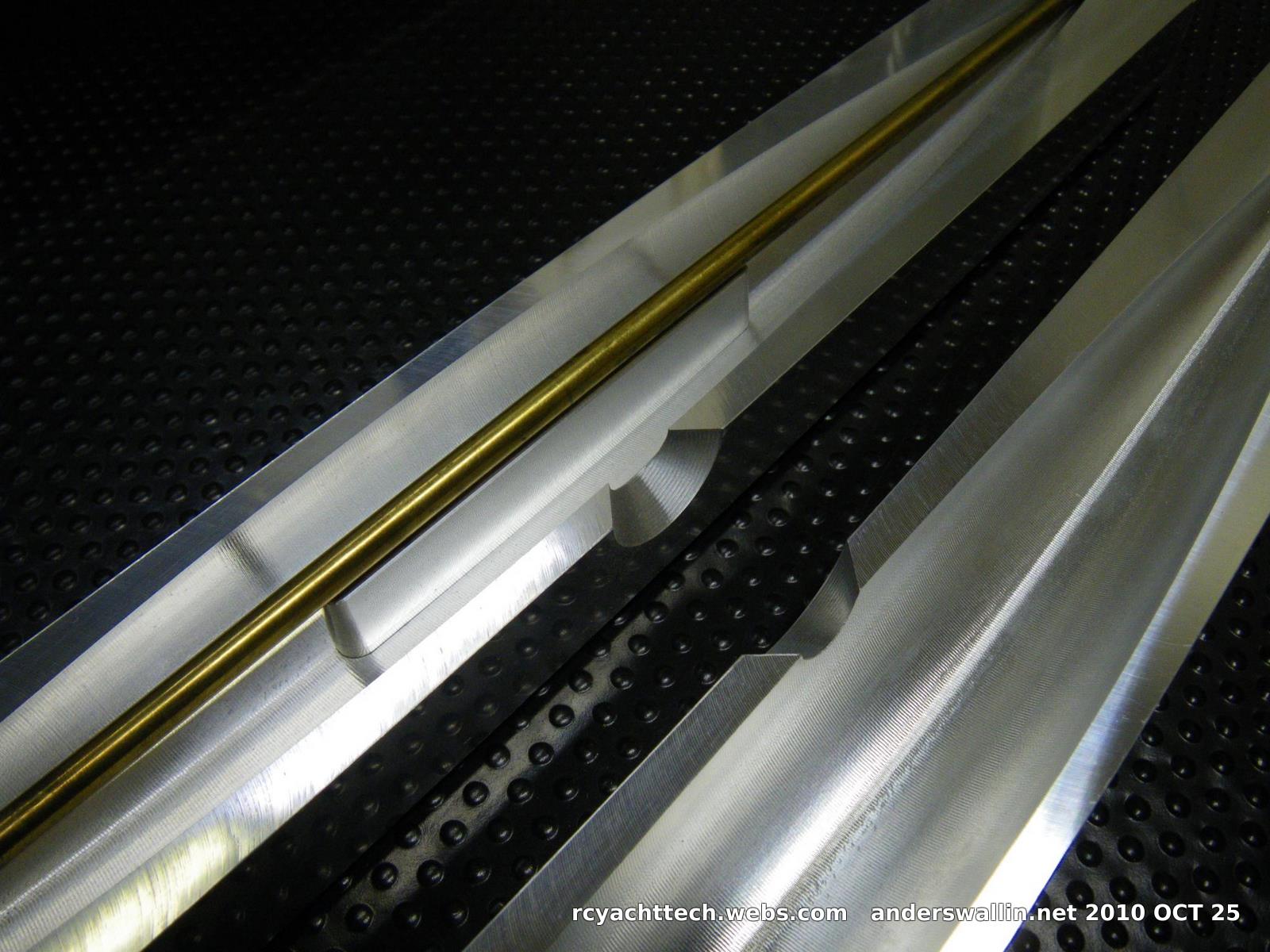
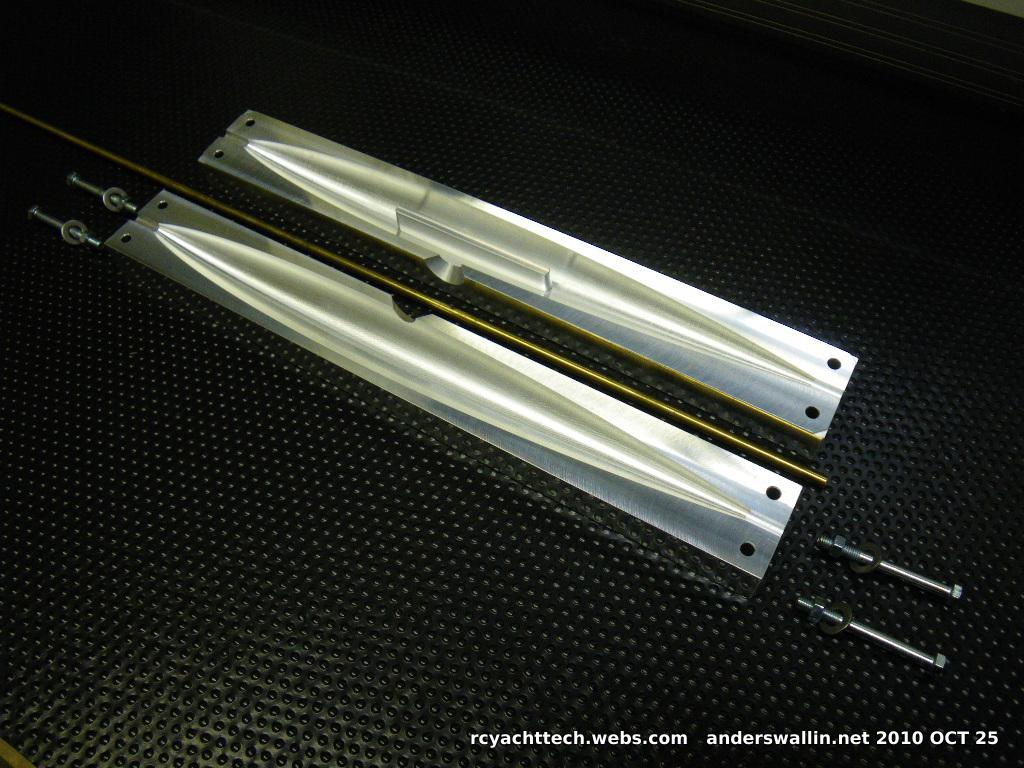
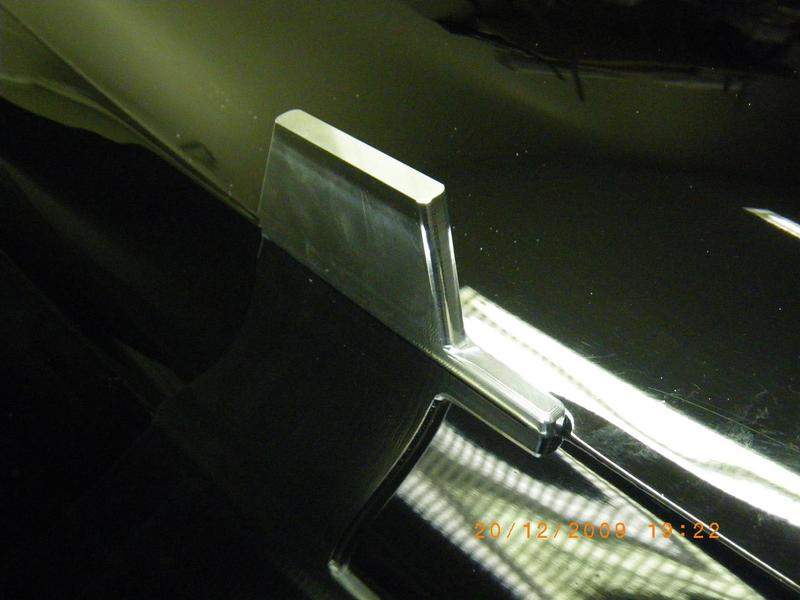
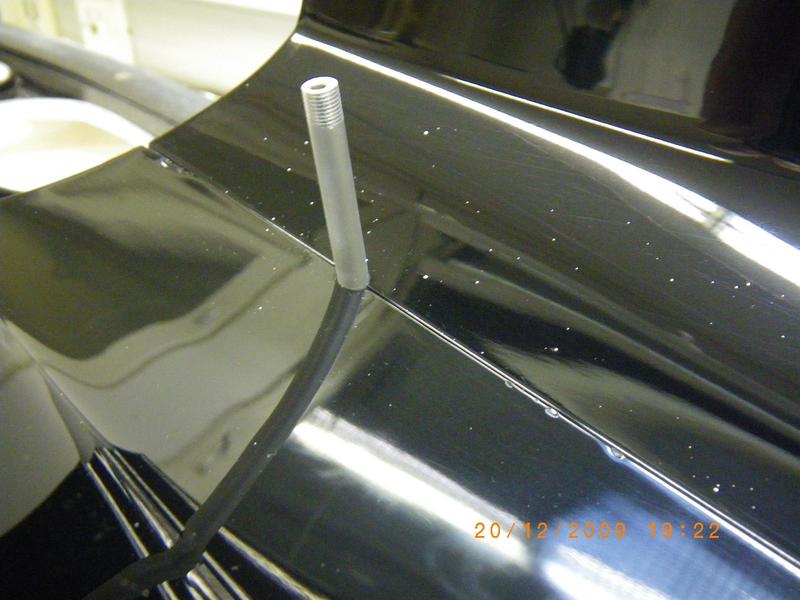
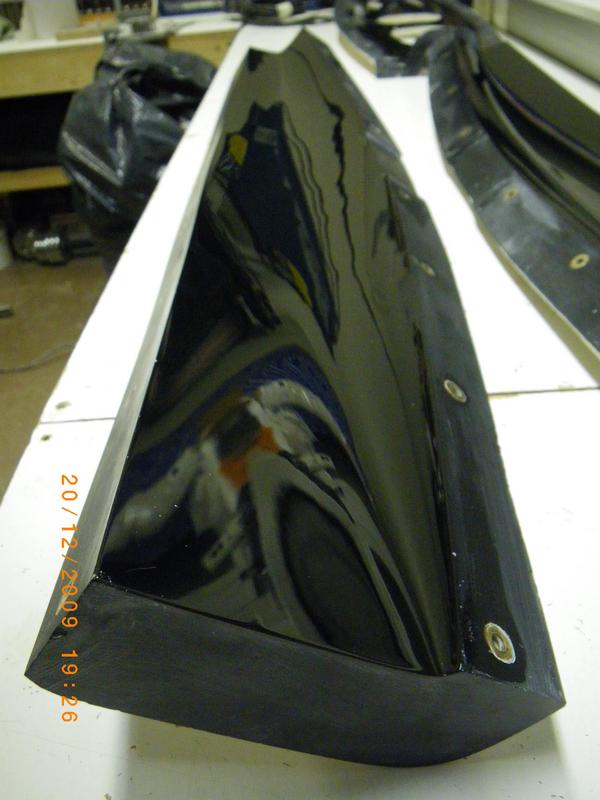
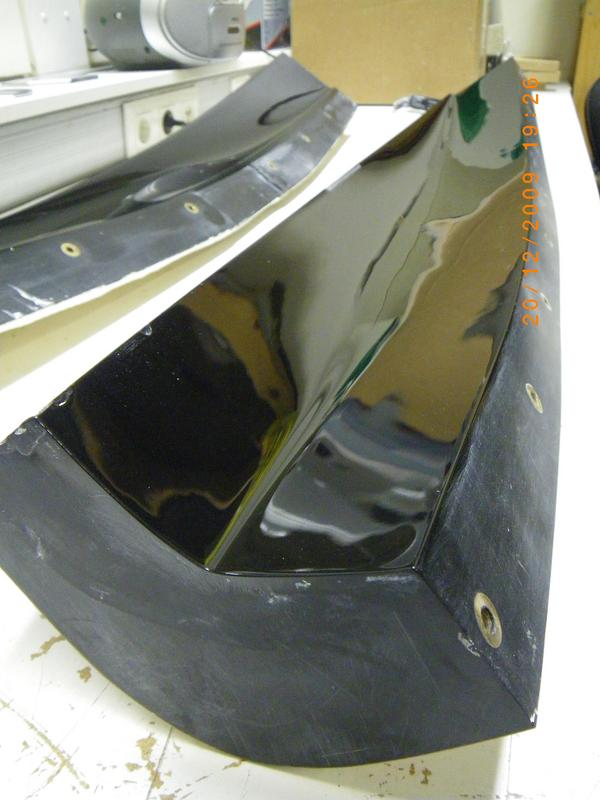
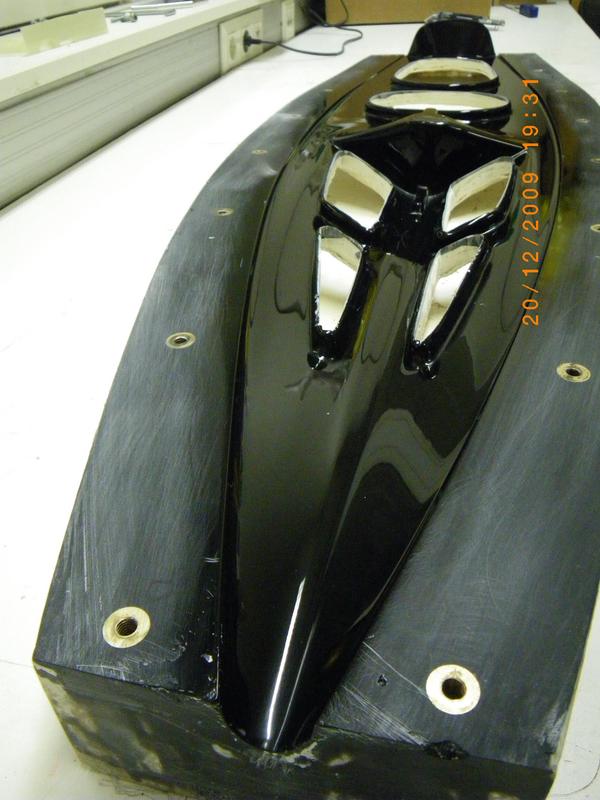
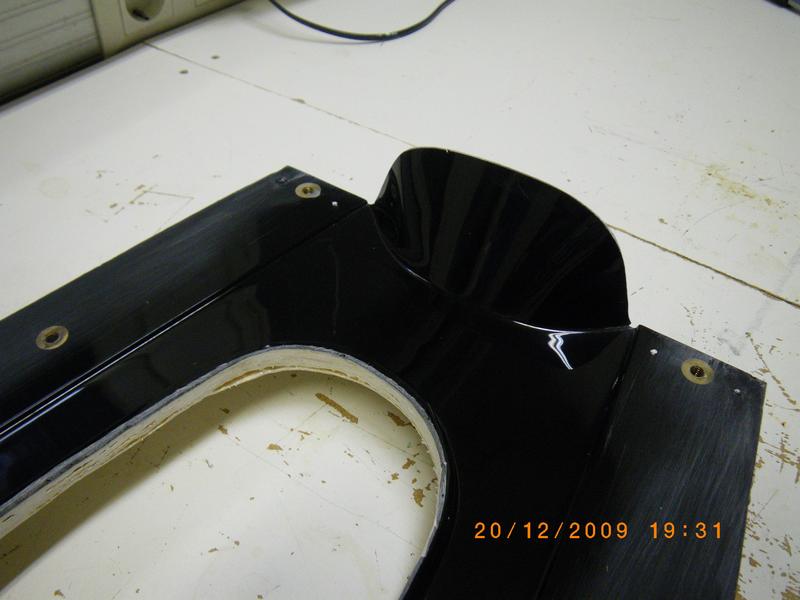
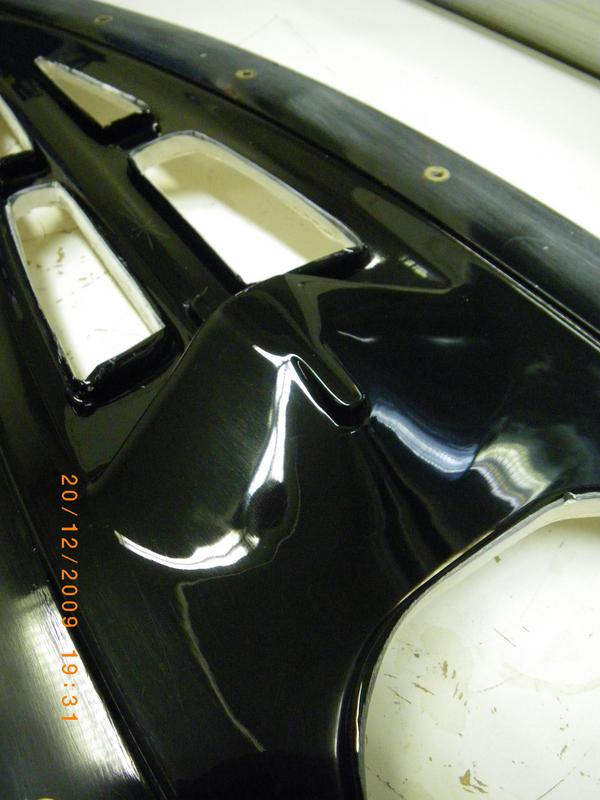
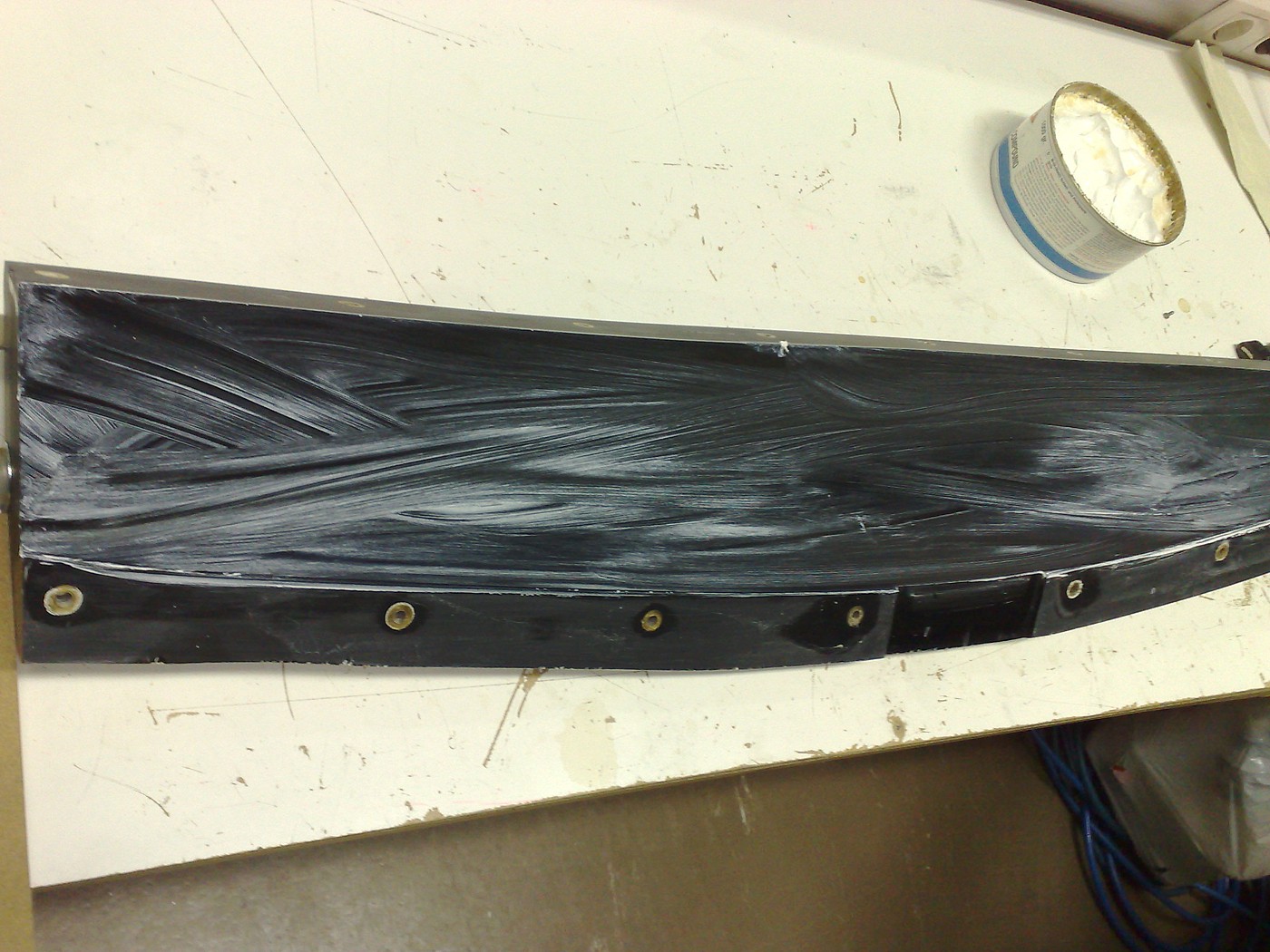
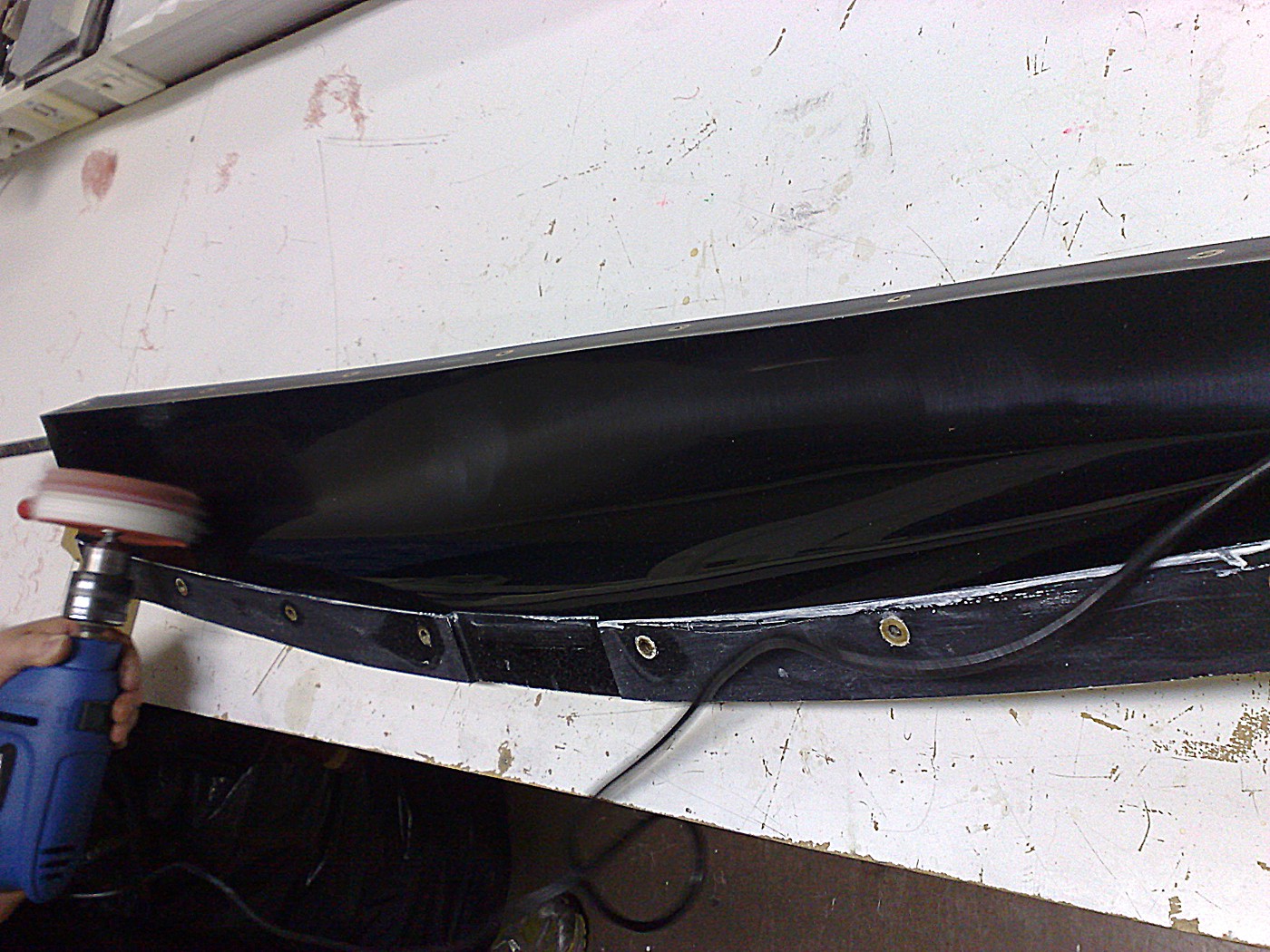
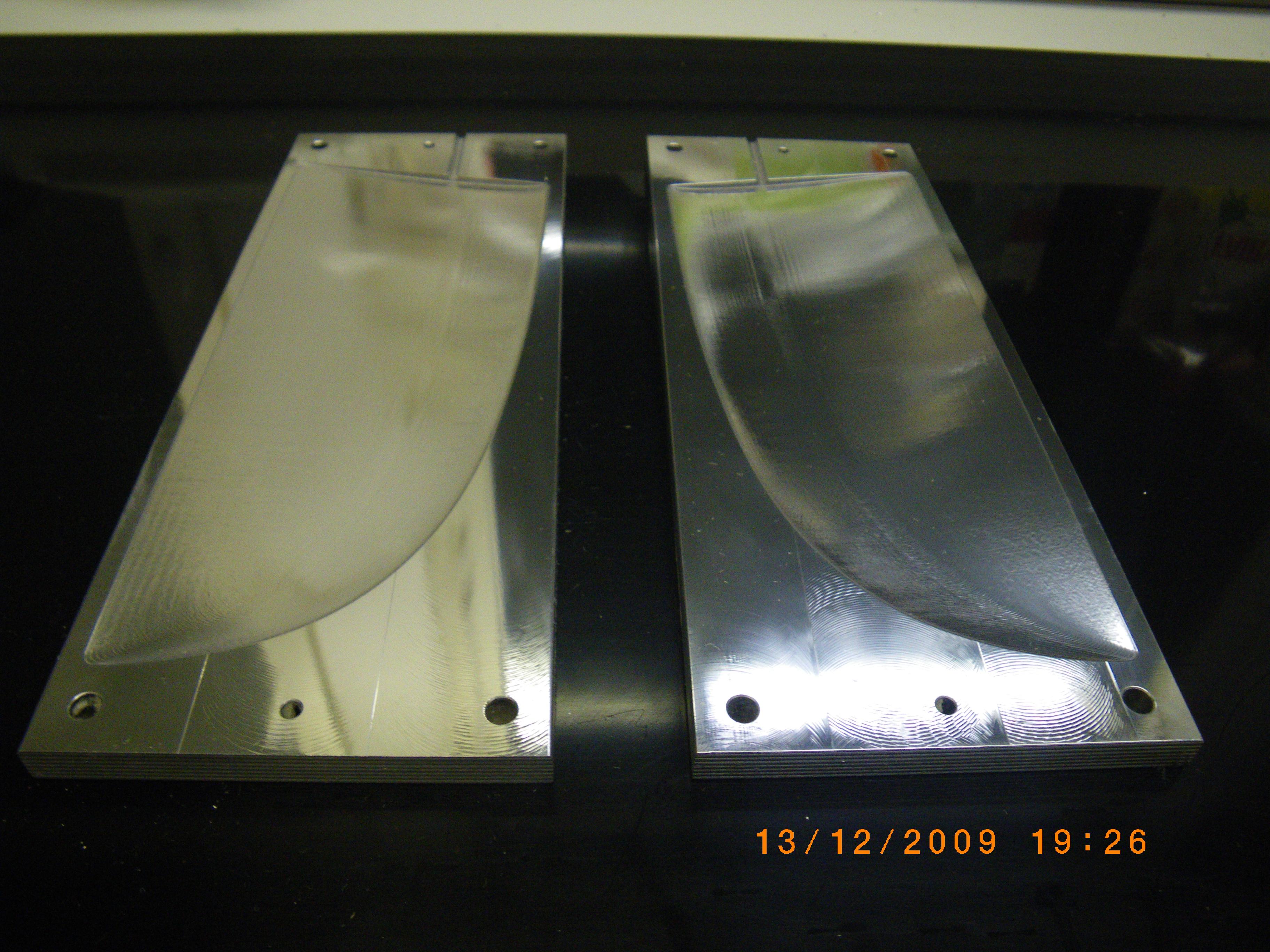
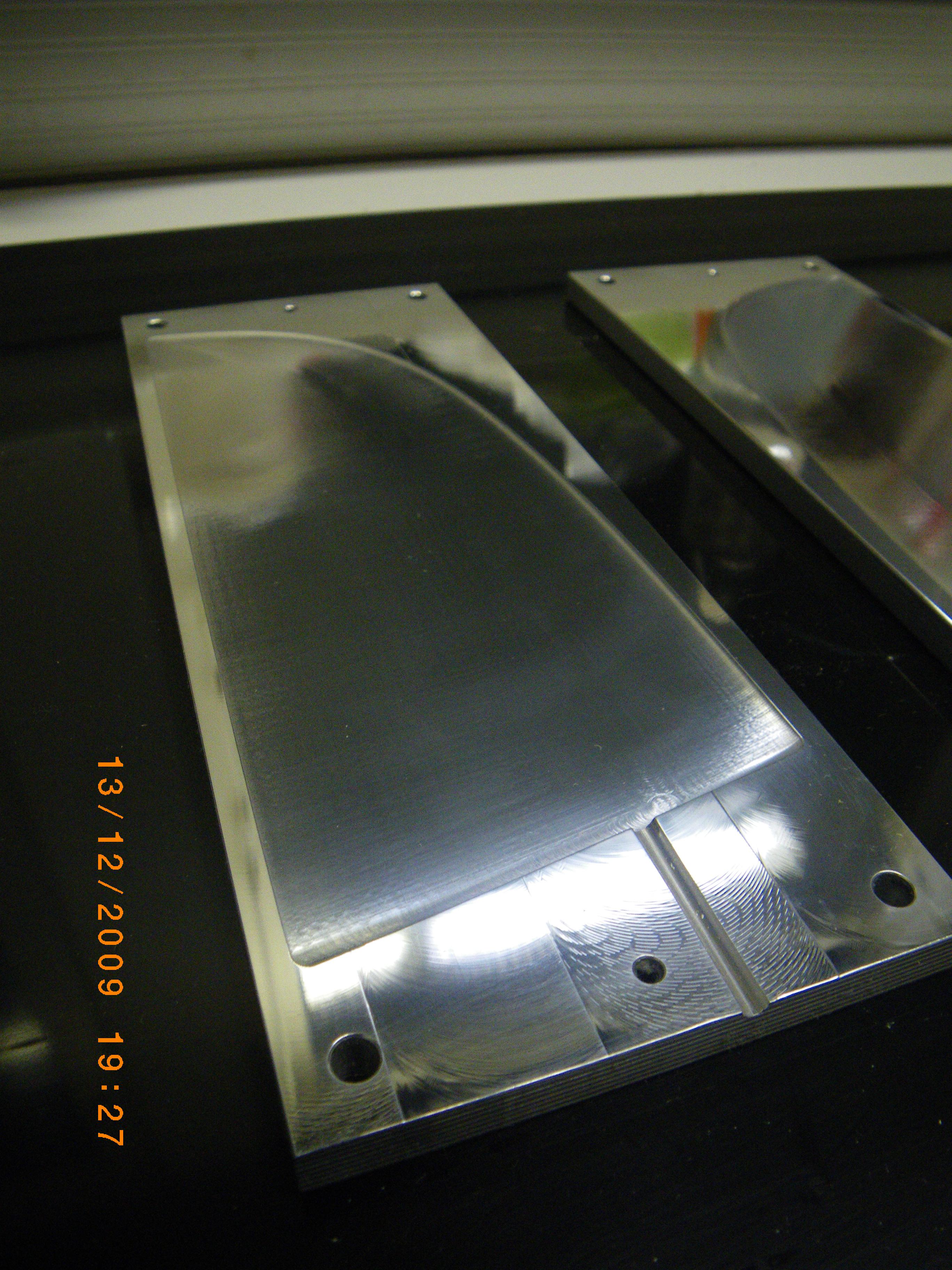
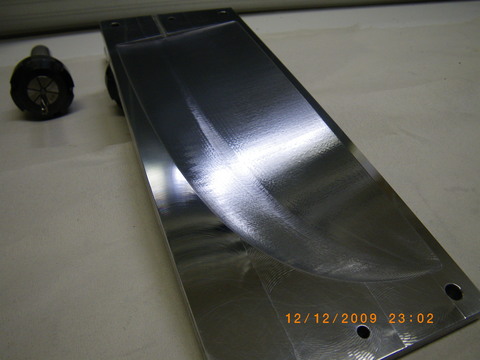
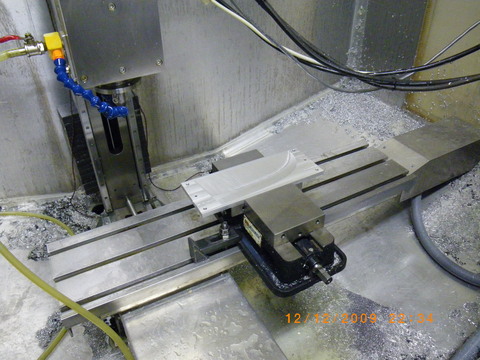
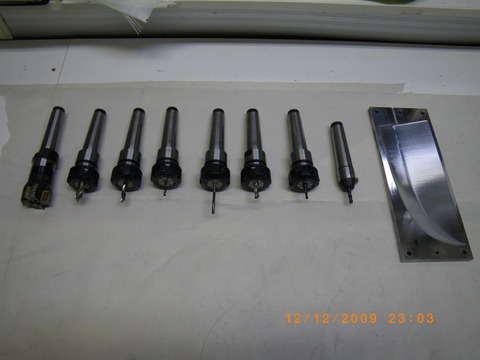
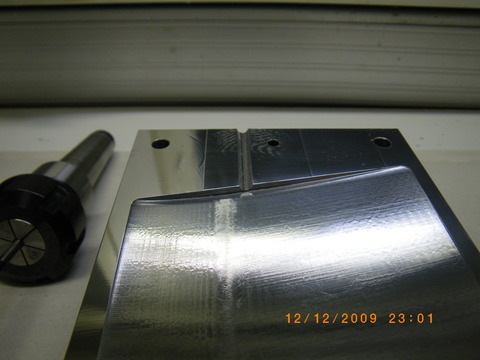
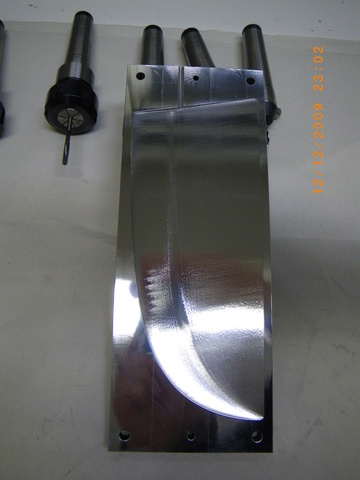
With the servo-upgrade of the cnc-mill complete we are now beginning to run the kind of jobs that weren’t previously possible. Stepper motors simply don’t give the kind of 3D contouring capability and reliability for running 3-4 hour finish jobs like these. The finmould is finished with a 6 mm ball-nose cutter.

Jari made these moulds in steel, but it’s possible to cut them in aluminium too. The fin mould here has a NACA 0010 section and the rudder has a thicker NACA 0015 section. With the precision that cnc-cutting provides we hope that the fin can come out of the mould quite complete and fit a cnc-cut finbox/bulb without much manual fitting.

We can produce fin, rudder, and bulb moulds in steel or aluminium on a small scale. Get in touch by email or by commenting below if you are an interested IOM-builder.

Steel Bulb nr2

Tuesday, May 13th, 2008

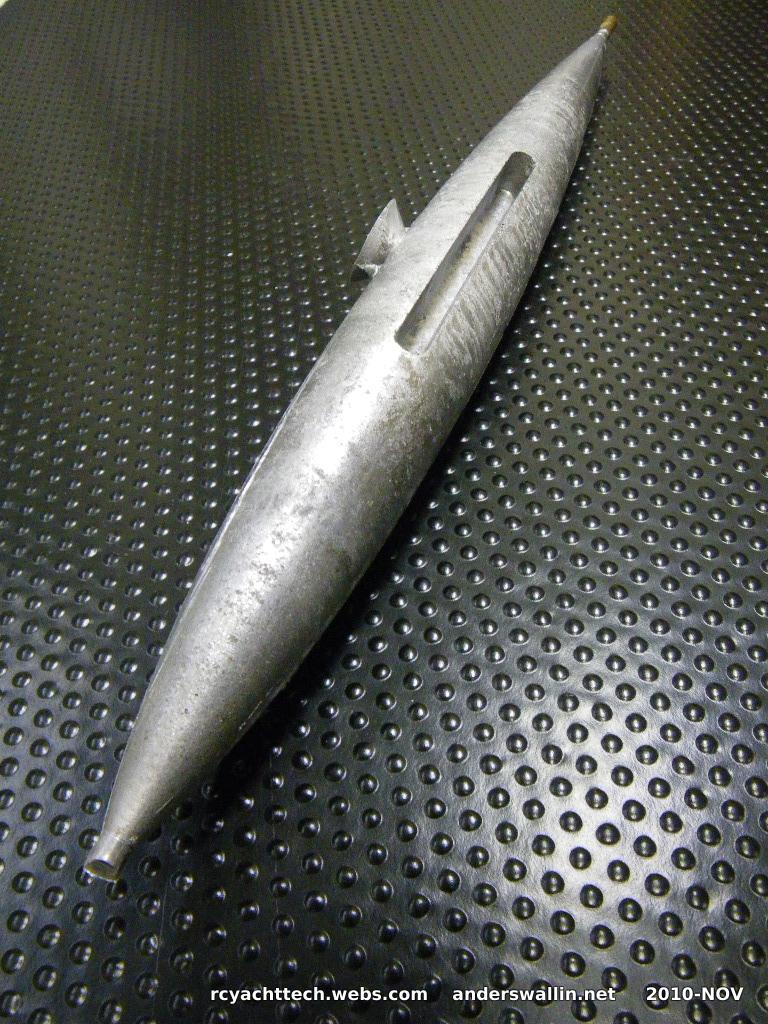
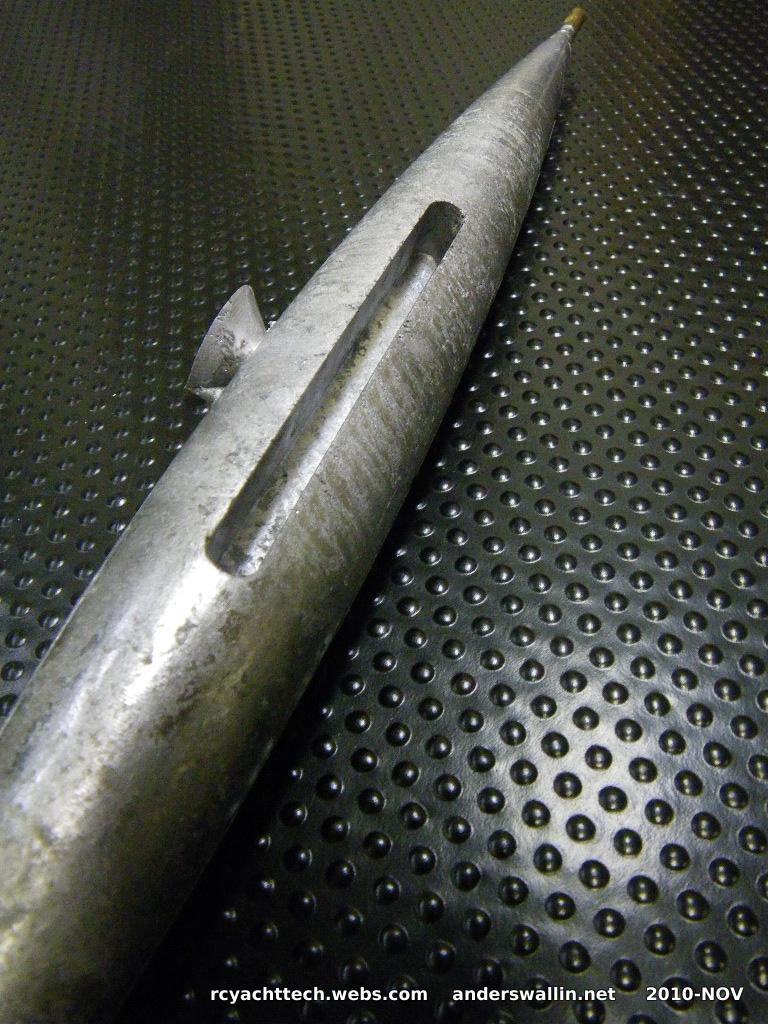
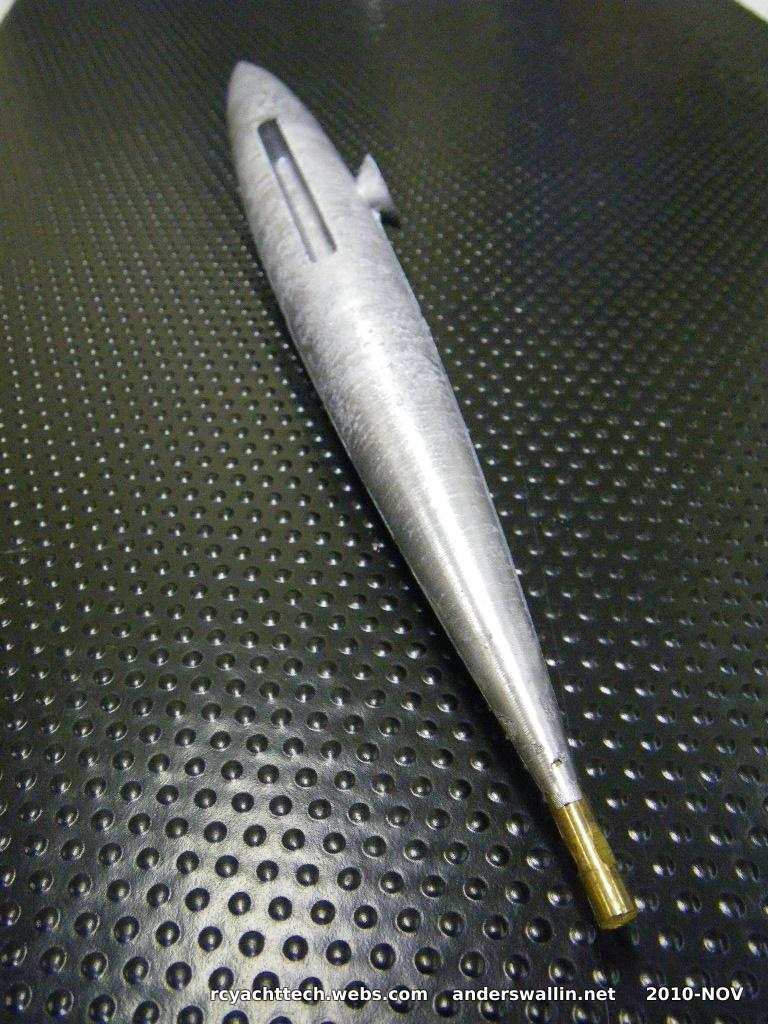
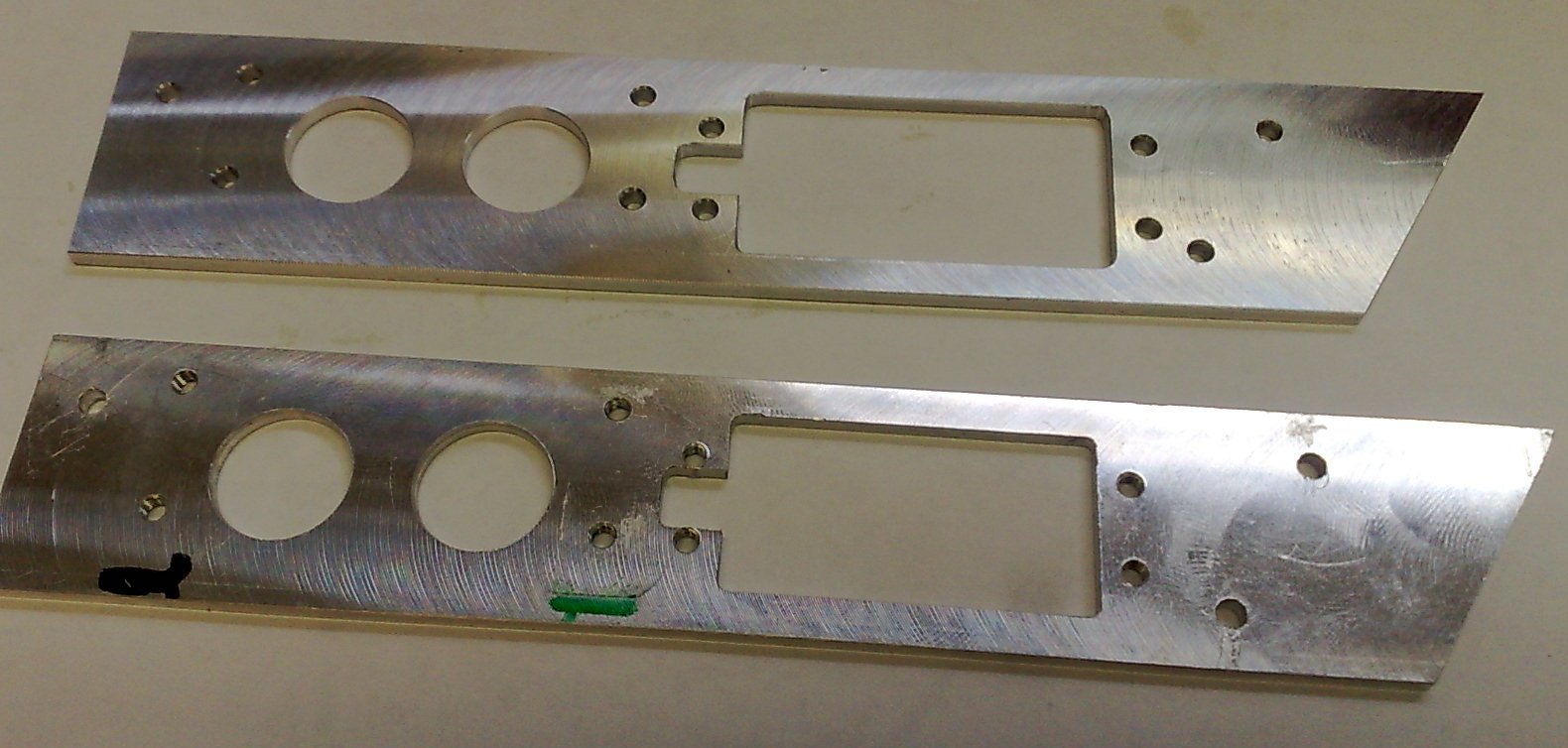
After the test run on Saturday Jari made a complete bulb in steel on Sunday. The first half can be milled with the stock clamped to the vises, but for the second half we need this jig. It’s in aluminium and was fairly simple to make - which also means making a bulb mould in aluminium should be easy. If someone is interested in a bulb mould, do drop me an email.

Milling the second half proceeds exactly like the first half. Here the rough-program is run leaving about 1 mm minimum of material for the finish pass. We now adjusted the program for a bit faster feedrate and much faster plunge-rates as it is clear the program is error free and all plunges are outside the stock.

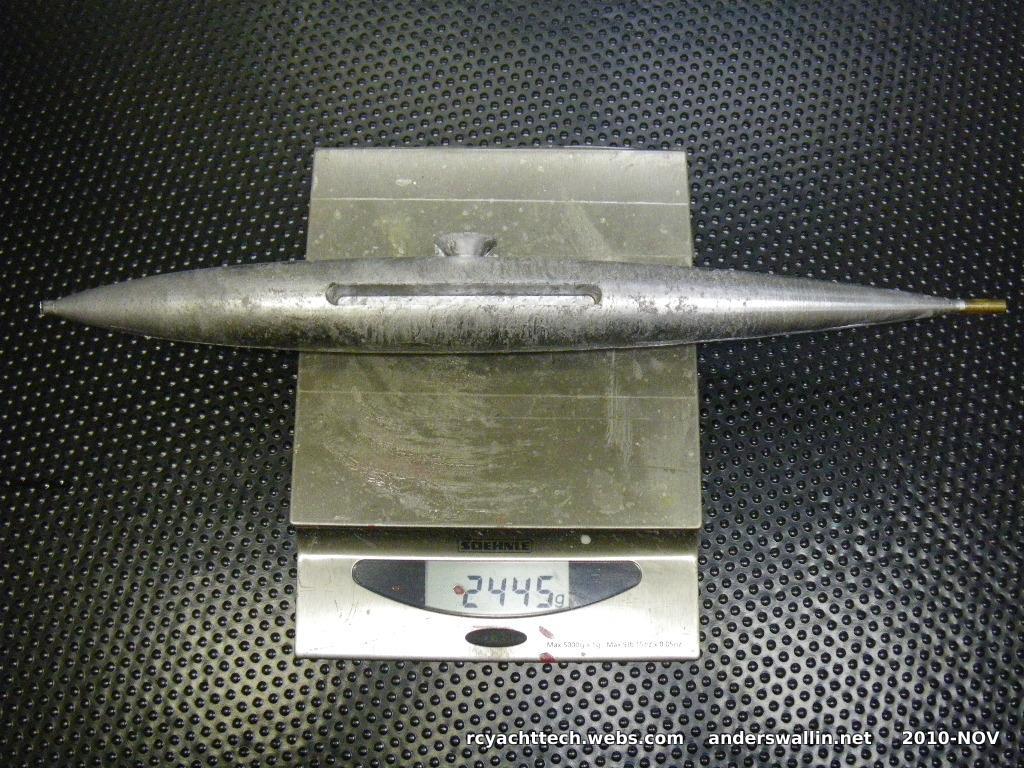
Surface finish is slightly better than on the trial bulb. The design weight was 2410 g and this one came out at 2416 g - pretty good. With a 100-150 g fin trimming the total weight close to 2500 g shouldn’t be a problem.

Widgets for Sail

Wednesday, February 6th, 2008

Graham Elliot from the UK doesn’t have a website of his own (yet?) , but wanted to let everyone know that he is now building and selling the Widget IOM. Designed by Chris Dicks in 1995 the boat has gone through quite a few changes to everything except the hull shape. The Widget has won the 1996 European Championship, the British National championships in 1997 and 2007, and the 2007 World Championship, not bad for a boat that was designed 13 years ago. The mouldings of the boat are manufactured by Dave Creed.

Graham’s options and prices are:

  • Boat complete to deck level, including cf fin and rudder, all attachment points, pulleys, adjustable main post, keel, all finished = 840 euro.
  • RMG 280D, 42mm drum, thumbscrew, fitted in boat=215 euro.
  • Rudder Servo, hitec 645 ultra torque, fitted in boat=75 euro.
  • Rigs: prices vary depending on which fittings (sails etc or housemartin) and also which sails are preferred (housemartin , Brad Gibson , Stealth , sails etc)
  • Wooden rig box= 80 euro
  • 4 colours: red, orange, blue, grey. They are all sprayed using Epifanes 2 pot polyurethane paint.

Currently (Feb 2008) there is a waiting list of approximately 16-18 weeks.

Please contact Graham Elliot on elliottyachts “at” hotmail.co.uk if you are interested!

Wireless Mast Camera

Sunday, October 28th, 2007

Jari got a small wireless camera operating on 2.4 GHz and mounted it at the top of the mast on his no2 rig. With the bulky power connector removed and a longer wire for the 9V battery which is under the deck the camera weighs about 20g. Now we used a preliminary aluminium angle to hold the camera, but a better carbon arm should be made for next summer.

This camera is the variant where you can plug the receiver straight into a laptop via the USB port. The receiver even gets its power via USB, so no extra power supplies needed in the field. Range seemed good, and image quality was OK - probably now limited more by the compression used in the PC than by the camera.

The idea is to look at how the sails, mast, and whole rig behaves from on-board images. It’s probably hard to say something from a single video or frame, but if some parameters (say shroud height) is systematically varied on the same boat in the same conditions then we’re hoping this could provide some insight into what’s going on.

Is your boat watertight?

Saturday, September 8th, 2007

Here’s a nice way of finding leaks in the boat. Do it like you would search for a hole in a bicycle inner-tyre: gently pressurize the boat (we use an air-brush compressor with a not too tight fitting tube into the boat), press it underwater or use a water/soap solution on the outside, and look for places where bubbles appear.

Simple and efficient. Also much safer and faster than pouring water in the hull and waiting for it to appear on the outside. Handling a boat with 1-2 litres of water in it is not very easy - don’t ask me how I know!

Turns out my boat has a number of cracks along the hull-deck join, and also a small hole at the top of the finbox. These can probably be filled with cyano glue.

KISS IOM Construction

Tuesday, September 4th, 2007

(click image for high-resolution version)

The current Noux Mk2 construction is obviously too difficult to put together. There are lots of separate mouldings that need to be fit and bonded to the hull, lot’s of sanding, filling, and painting. So I’m trying to think of a simpler design that would be easier to build. With all the moulds and jigs ready my dream would be to spend one whole day on moulding: hull, deck, fin, rudder, etc. Go home and sleep/do other things while everything cures for a day or two, and then spend the next day bonding together the components. With about two full days of work I would hope to create a ~500 eur kit which can be handed to an intermediate to advanced IOM-skipper which he/she could then complete by adding fittings, radio, and rigs. Is this Utopia?

The Bantock/SailsETC style of construction (Topiko-ish drawing above) simplifies building somewhat. The two halves of the hull (1,2) are moulded separately and then joined. A separate fin/mastbox laminate (3) needs to be bonded into place while the hull is in a jig, to keep everything nice and straight. The foredeck comes ‘for free’ in the hull moulding process, but the aft deck (4) is a separate moulding. Here I’ve drawn a recessed flat part for mounting the winch and the servo, and a place for the 65mm RC-pot aft of the main-sheet post.

Then there are small bits and pieces like the rudder tube (5), the tube for the no1 rig (6), and the bow bumper (7).

Sails ETC sells a cheap plastic rudder (R), and some not-so-cheap fins (F). We can make bulbs (B) in lead by casting, or maybe in brass or steel by cnc-turning in the future.

I really feel the challenge is in components 1 through 4, the large mouldings that need to be accurately assembled, and apart from the finbox need to have a nice gelcoat outer finish. With the Topiko-style transom the two hull-halves (1,2) can’t be assembled in the hull mould, so a separate hull mould without the inverted transom is needed. This assembly-mould/jig could also have a permanent hole for a dummy-fin that is put in place and aligns the separately moulded fin/mastbox (3). The aft-deck (4) would then be bonded in place with the help of strips of glassfiber plate glued to the underside of the hull-flange.

If I count the building tasks correctly I get something like this:

  1. Mould two hull-halves. (spray mould with gelcoat/paint, apply epoxy+2×125g glassfiber, trim glassfiber to mould-edge)
  2. Mould other components: deck, fin/mastbox, mainsheet-tube, no1-rig-tube, bumper (in silicone)
  3. Wait for everything to cure
  4. Assemble hull-halves in separate jig. bond together. Glue in fin/mastbox, Glue in deck (can this be done simultaneously with finbox?). Glue in rudder tube.
  5. Wait for everything to cure
  6. Finish by adding bits and pieces: open foredeck holes, glue in no1-rig tube, glue in mainsheet-post tube, attach bumper.

That’s three tasks separated by curing-time. I’d be interested if anyone has some thoughts on this! Have I overlooked something big? Can this be simplified further?

I know some people have used closed-mould techniques with a pressurized balloon inside to mould complete boats in one go. But as there are no good descriptions of this online I’m not going to pursue that in the near future.

FIN-43 finally sailing!

Saturday, July 21st, 2007

After fitting the sheeting-bridge for the mainsheet and drilling some holes in the booms for the sheet-hooks I was finally able to test sail the new IOM I have been building! It’s going to be numbered FIN-43, but I haven’t had time for details like sail-numbers or measurement bands yet. You might also notice that I’m missing the bow-bumper. The paint-job is ‘Scharmer-style’ for the moment…

The main worry with a new boat, besides obvious things like the rudder and sheeting systems working,  is usually water tightness. I observed something like half a table-spoon of water after maybe 20min of sailing in varying no1 rig breeze. The lid probably needs sealing, and a coat or two of paint should seal any microscopic pin-holes left in the hull laminate.

Balance on the beat was surprisingly good, only minor adjustments of the mast position should be necessary to find a good trim. Now I need to put in a lot of practice hours against other boats and in varying conditions to iron out any minor problems and find a good basic trim with all rigs. In addition to the national ranking series we still have two Scandinavian events that should provide some good sailing before the Marseille Worlds in October…

One Noux kit for sale

Sunday, June 17th, 2007

It looks like we will be sailing the first three Noux Mk2 boats early next month. We have a few extra mouldings lying around that are for sale:


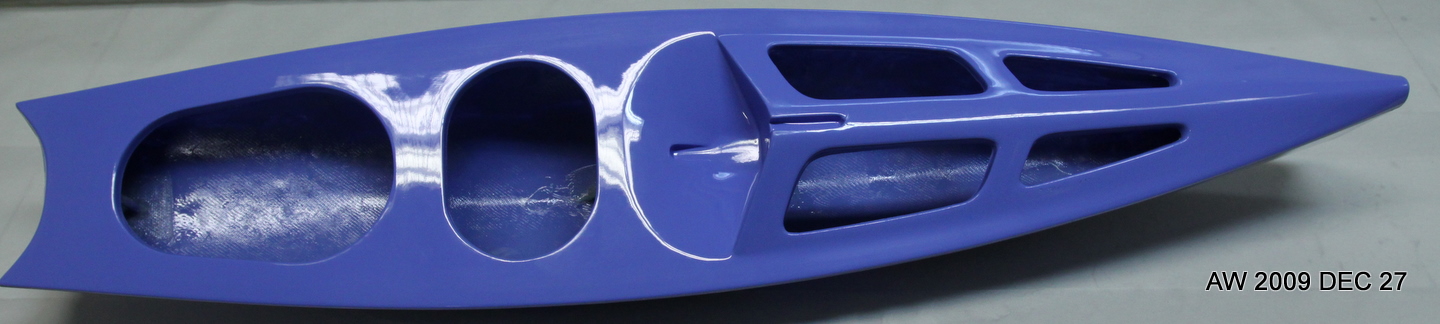
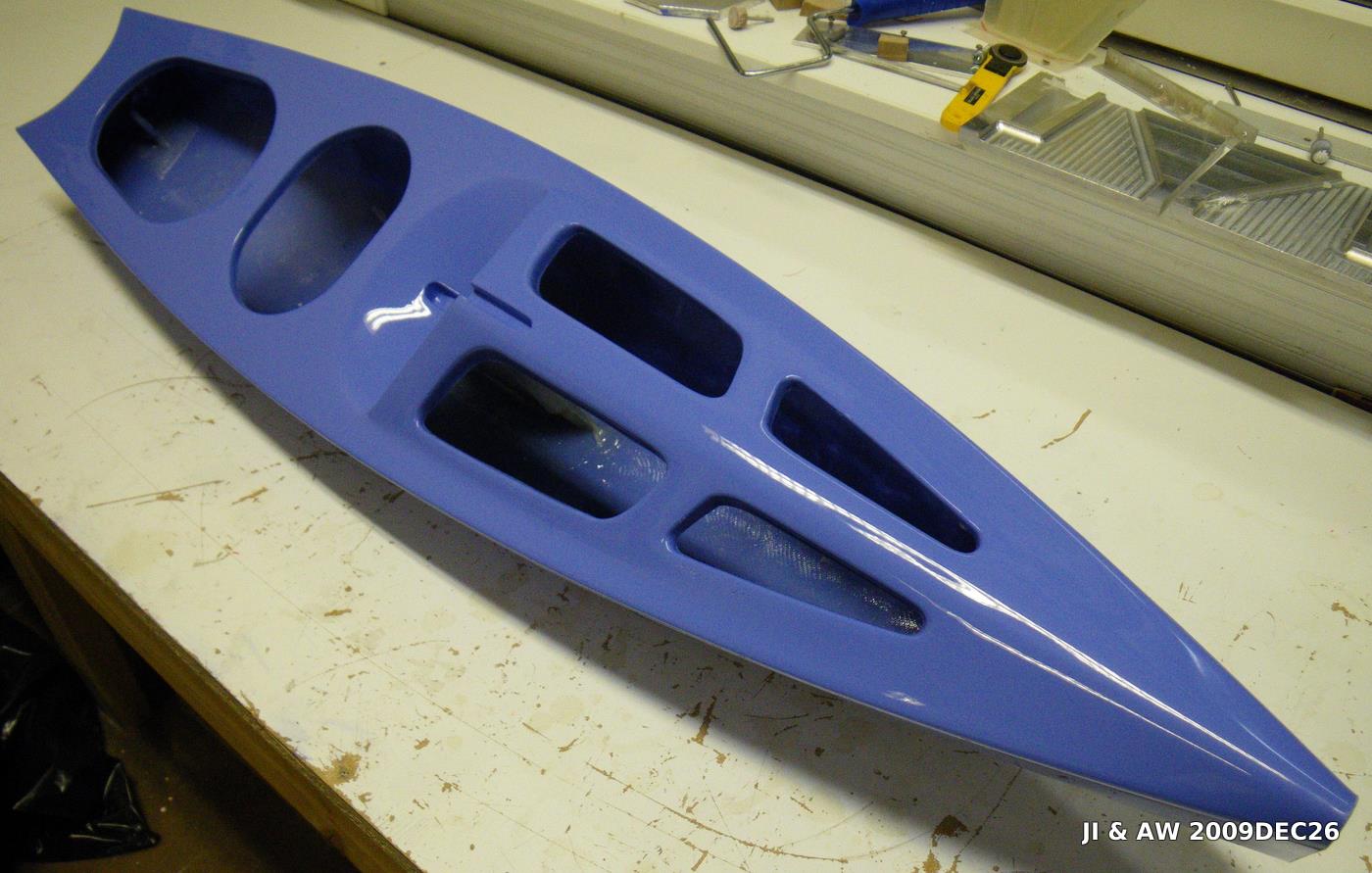
This is the glassfiber hull with some wooden planks glued around the edges (for attaching the deck).


Here are the two deck mouldings. The aft deck has a round hole that will fit a Decor lid+rim (the lid Craig Smith uses on his Obsession. One lid+rim is supplied with the kit).


Fin and rudder from carbon fiber.


The kit also contains the fin/mastbox, but it’s not attached so you will have to attach it yourself.

These are for sale as a kit. For the hull, the two deck mouldings, fin/mastbox (not attached!), rudder and fin I am asking 400 euros. Buyer pays shipping.

We also have an extra hull, just like the one above, but with no deck or anything additional. If anyone wants it they can have it for 100 euros.

Lead bulbs continue to be available from Olof Ginström for 35euros per bulb. Shipping heavy stuff is expensive, so you could try to meet me at a Nordic Cup event or the Marseille Worlds instead.

Noux building in Norway

Monday, March 26th, 2007


Steinar from Norway sent me some more pictures of his Noux boats. He has completed the first boat (see below), and is now building a second one.


Another view of the spray-painting setup.


The bulb is home-made, cast in a plaster mould.


Here is Steinar’s first boat, now completed and painted. I posted some building pictures earlier here and here.

Steinar asked if there is a Noux-logo. Sure! I just need to post it online in some common format. Stand by…

Compression strut for Gooseneck

Sunday, February 11th, 2007

Two new parts for the gooseneck: a compression strut from Sails ETC, and a DIY mast-ram.

The compression strut fits the lower end of the gooseneck (bottom left), and if you bend it a little bit, it will fit a Sails ETC eyebolt too (far right) - which I plan to use on the boom. The mast-ram consists of a plastic fitting (Maritim) that grabs the mast, a stainless steel M4 bolt (I need to open the plastic fitting a little so the head of the bolt sinks into the plastic). A brass M4 thumbwheel (Ruuvikulma) provides adjustment.