- Cramming more pixels into a Thinkpad -
- Guido’s Python: Objects 102 -
- The Design of Design -
- Building an oak telescope -
- 05/14/10 PHD comic: 'Tales from the Laser Beam' -
- The Balancing Cube -
- WordPress 3.0: The 5 Most Important New Features -
- The peril of the Facebook anti-privacy pattern -
- HTC EVO 4G $200, on Sale June 4 -
- How Much Gas Does Your State Use Per Person? -
- Seeing is Believing - Vigna unguiculata
- 05/12/10 PHD comic: 'Ode to the L.A.S.E.R.' -
- Dynamixel Servos Are In 🙂 - has anyone used these for radio sailing ??
Music on the run - cheap
Tried a new MP3 player today: SKU34705 from dealextreme. This 11 $ player ships without a memory card, which will cost about another 11 euros for a 4 Gb micro-SD card. The build quality is not great - but I wasn't expecting too much for 11 $. It works however, and there are no cords since the memory-stick, player, and battery all fit in the back. That does make the headphones a bit more back-heavy than the conventional corded Sennheiser PMX I've used before (39.90eur at the local shop, for only the headphones!). The battery is charged from the USB-port, and the SD-card shows up as a disk-drive in Ubuntu automagically without installing any drivers.
Hope the flu is finally defeated now. 6 k at something close to 5:47/km today did not feel too bad.
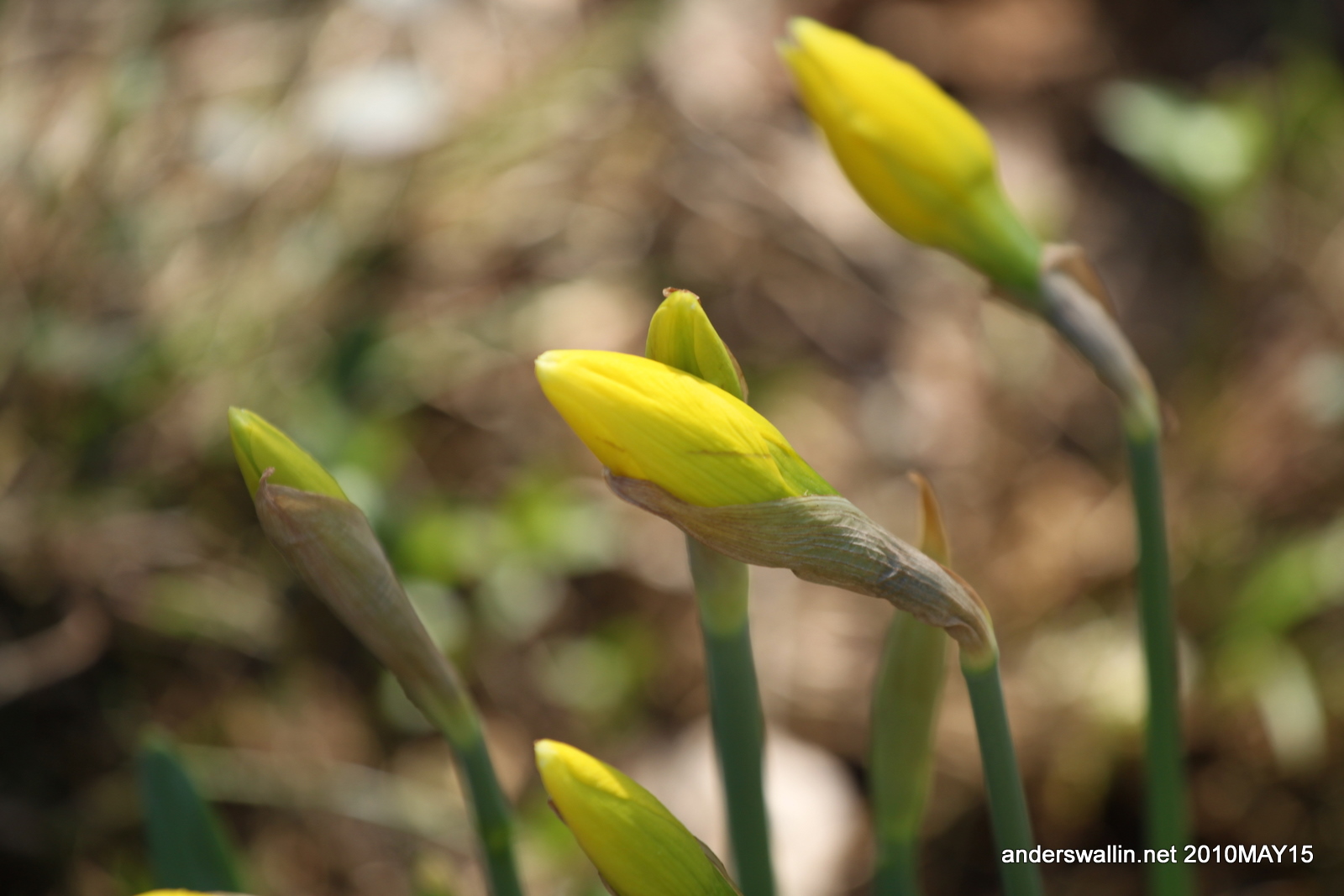
Signs of Summer
Last week was mostly flu and occasional fever. Managed a careful 7k jog on Saturday with newly bought Camelbak Fairfax (45eur + postage through amazon.de) . The Finnish retailers (including those at the HCR expo) seem to think that asking 69.90euros is just fine - no thanks!
The Finnish summer is cold but short - the last few days have finally been +20C or warmer. Quite similar to LA in late February.
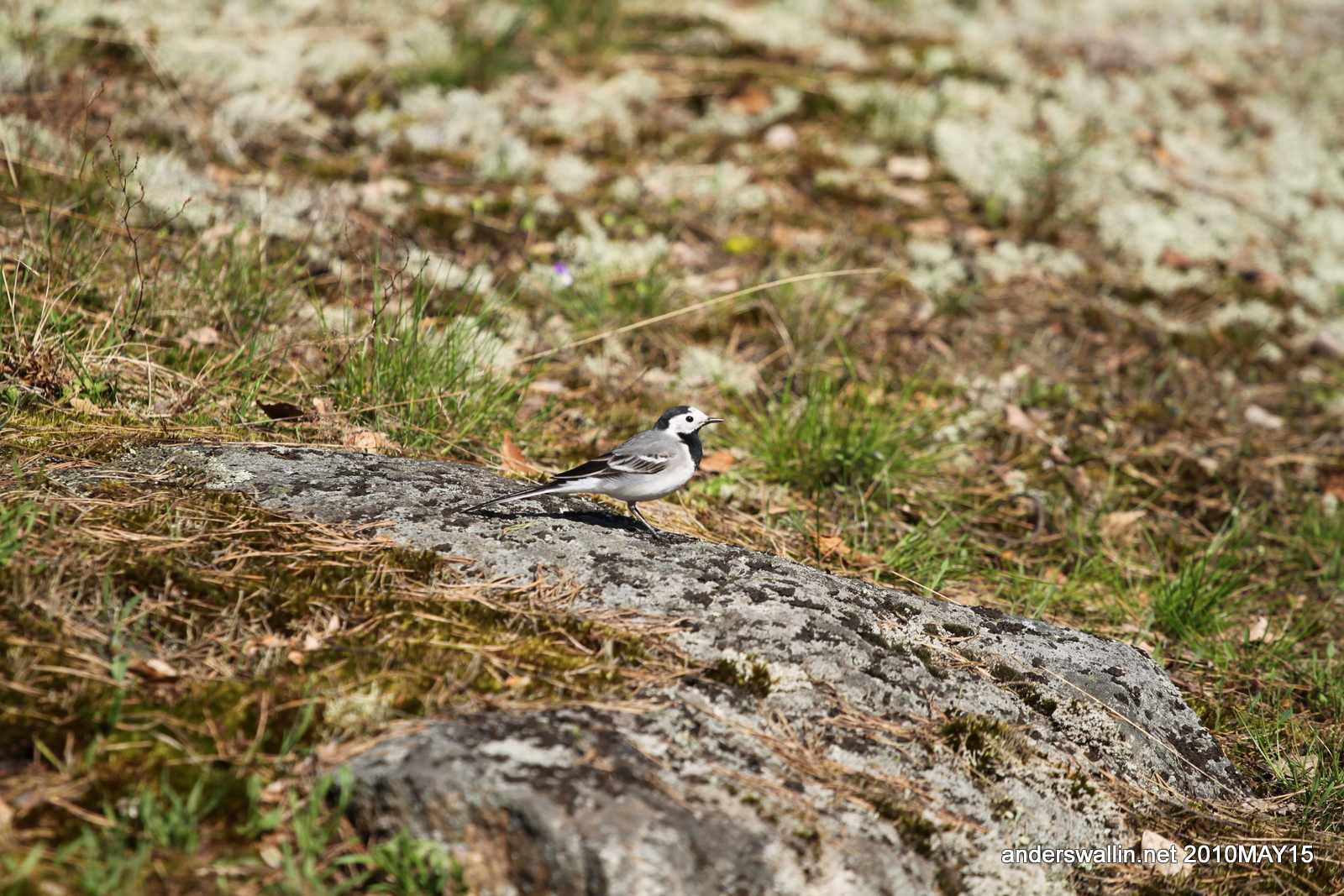






Those mosquitoes were all hovering in a bunch, usually quite close to a tree branch. Took a lot of photos with a 200mm/F4 lens but with manual focus and shallow depth of focus the yield is low. Not sure what stage in their life-cycle they are in, I don't think they hover in one place and look like this later in the summer. Anyone who is a mosquito-lover care to explain? 🙂
Links - 2010 May 13
- Model for the prediction of 3D surface topography in 5-axis milling -
- Linux Versus E. coli | The Loom -
- Apparently Facebook considers your current IP address to be "public information" as well. -
- INFOGRAPHIC: The History Of Facebook’s Default Privacy Settings -
- Reduce Your 10k, Half or Marathon Race Time -
- Android Sales Surpass iPhone Sales -
- Google I/O 2010 -
- Recycled aluminum – first casting -
- Parallel Programming with Oracle Developer Tools -
- A Call For an Open, Distributed Alternative To Facebook -
- A novel iso-scallop tool-path generation for efficient five-axis machining of free-form surfaces -
Lathe chuck
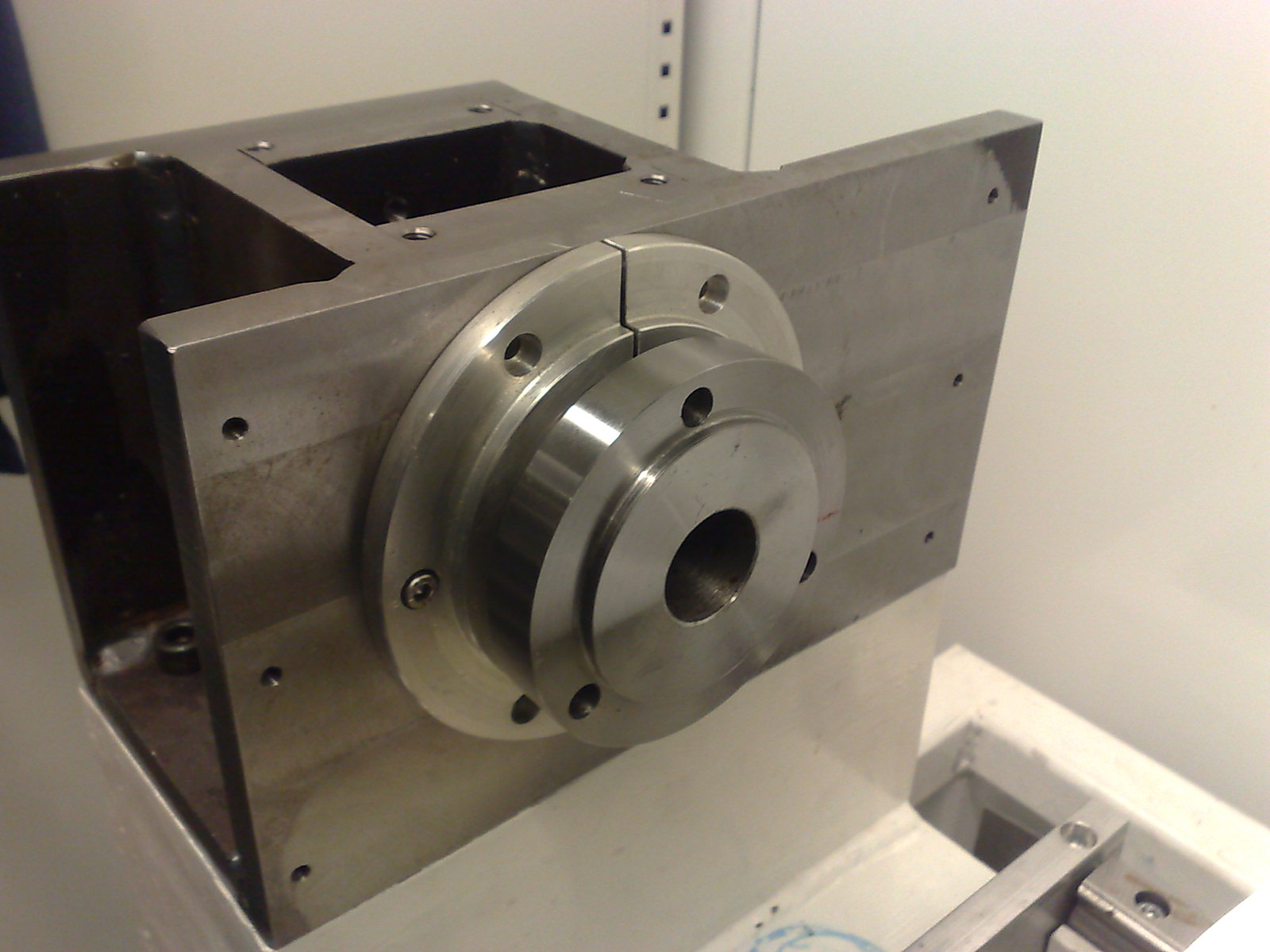
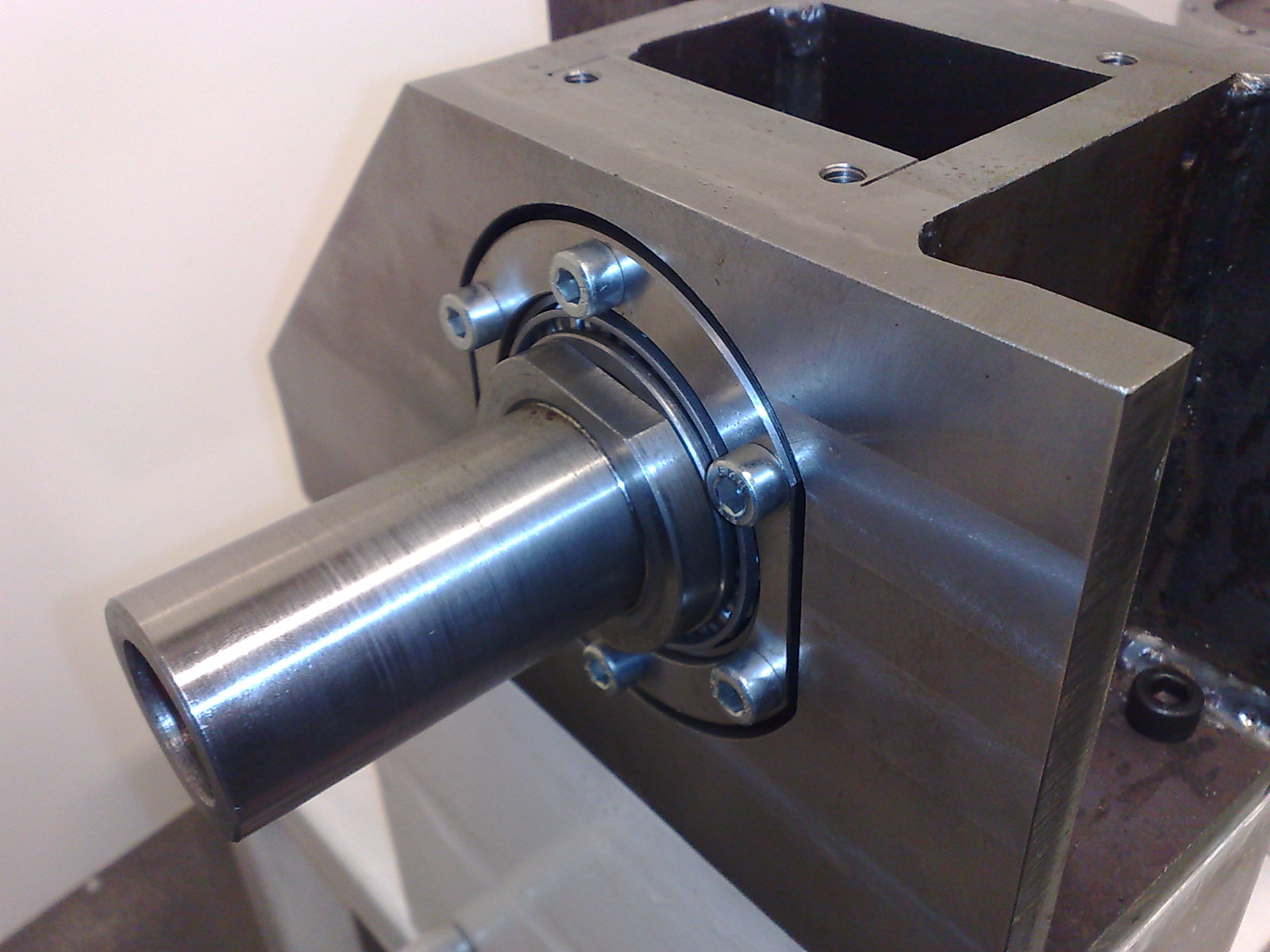
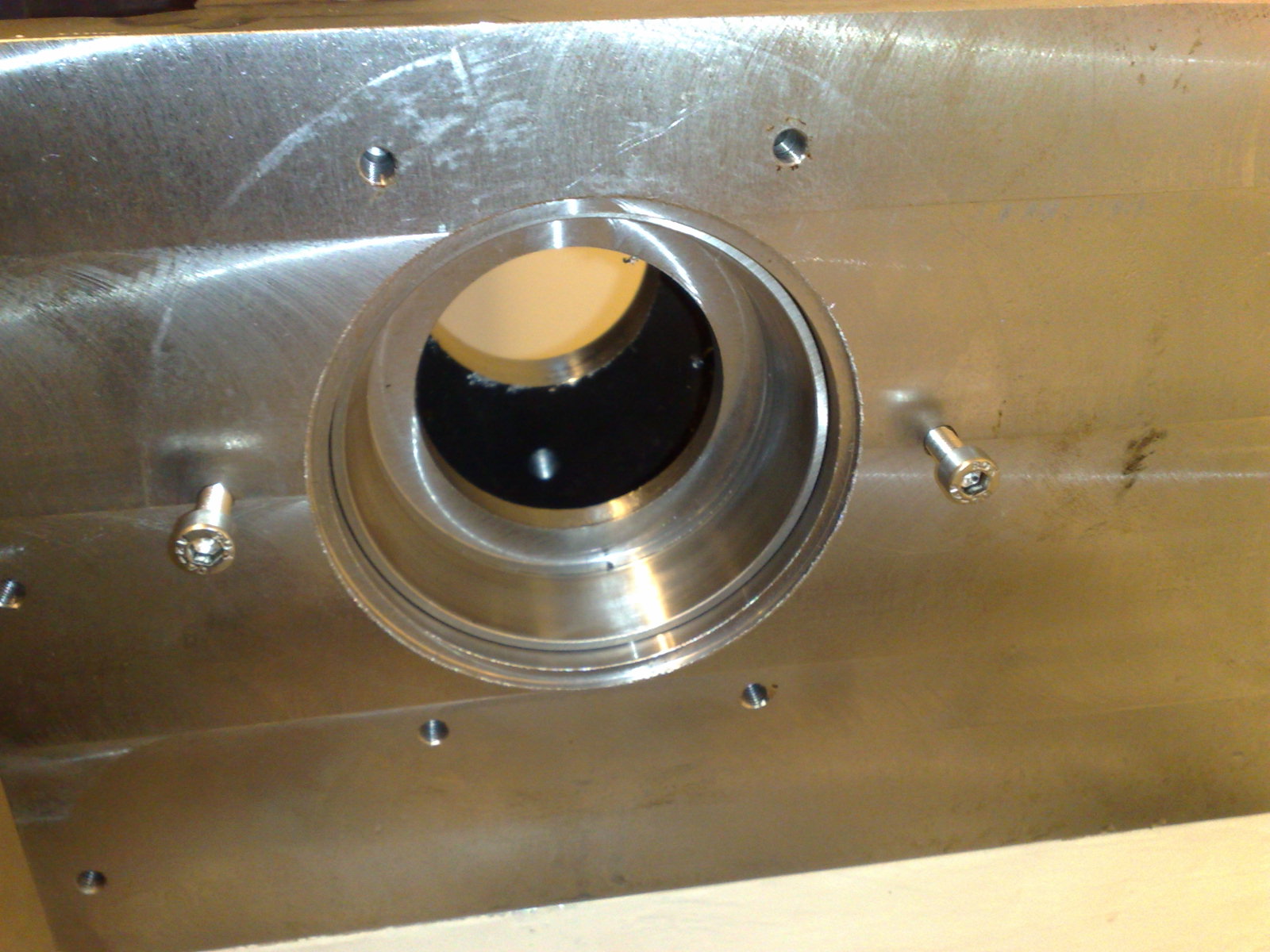
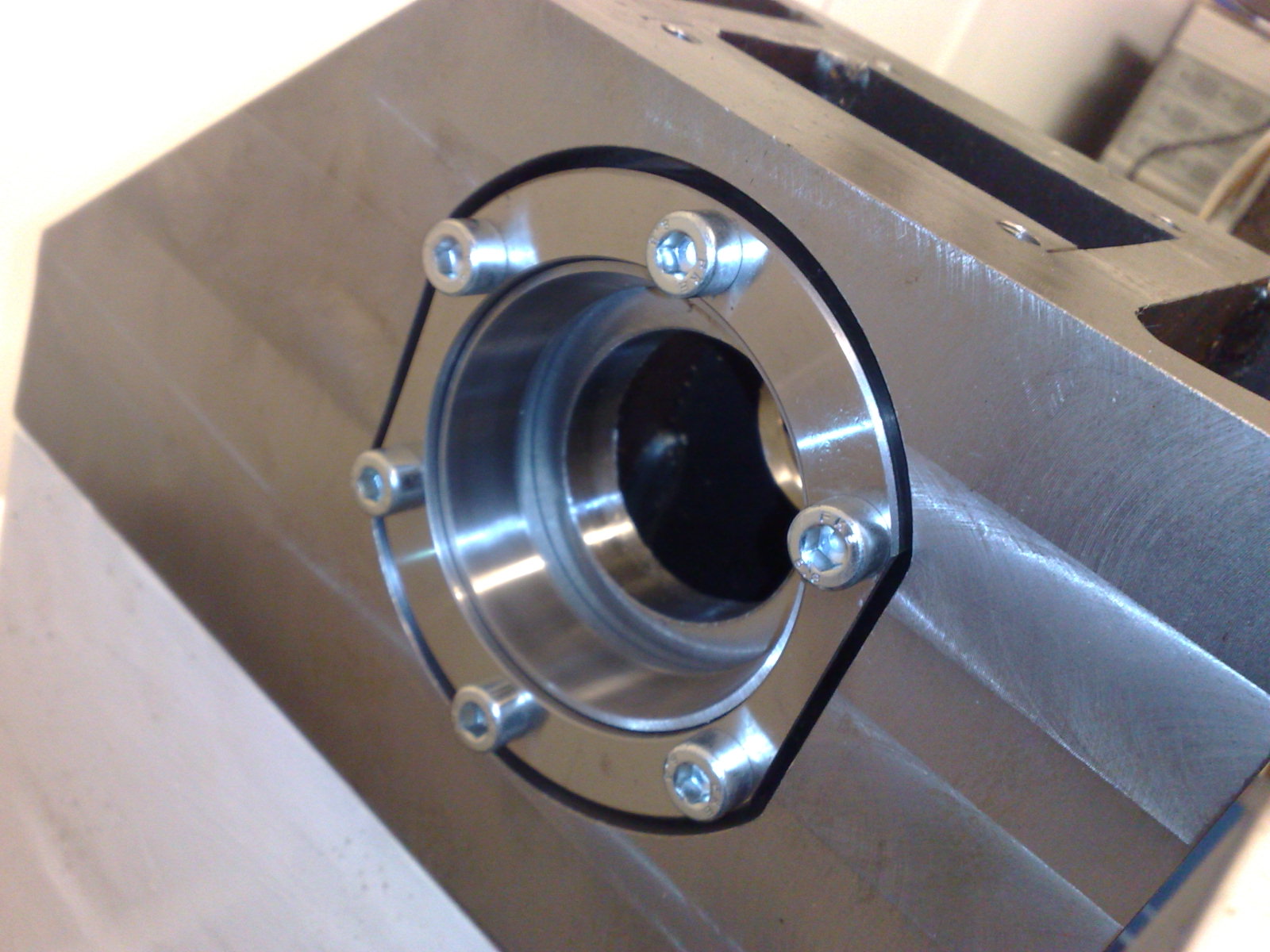
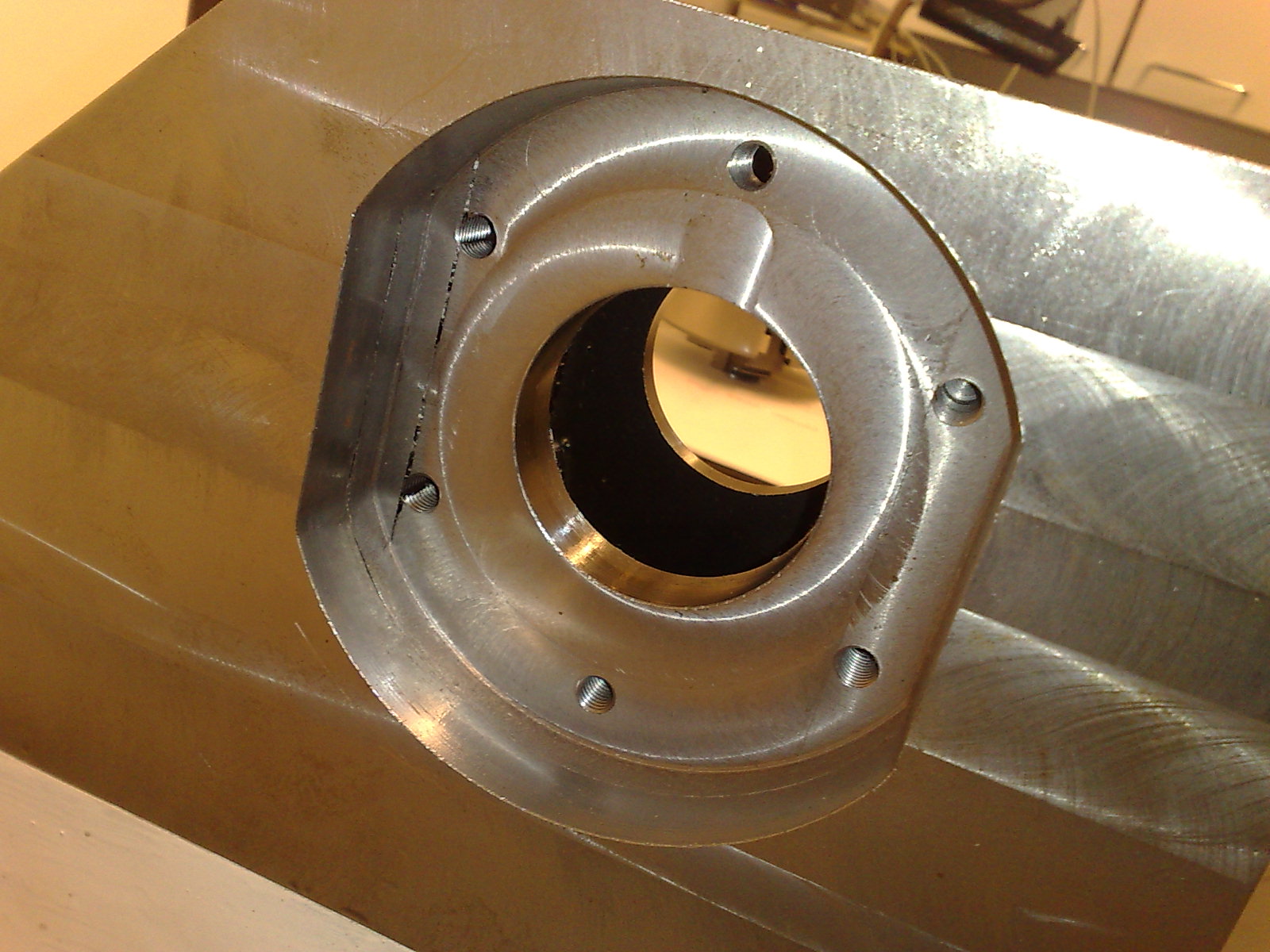
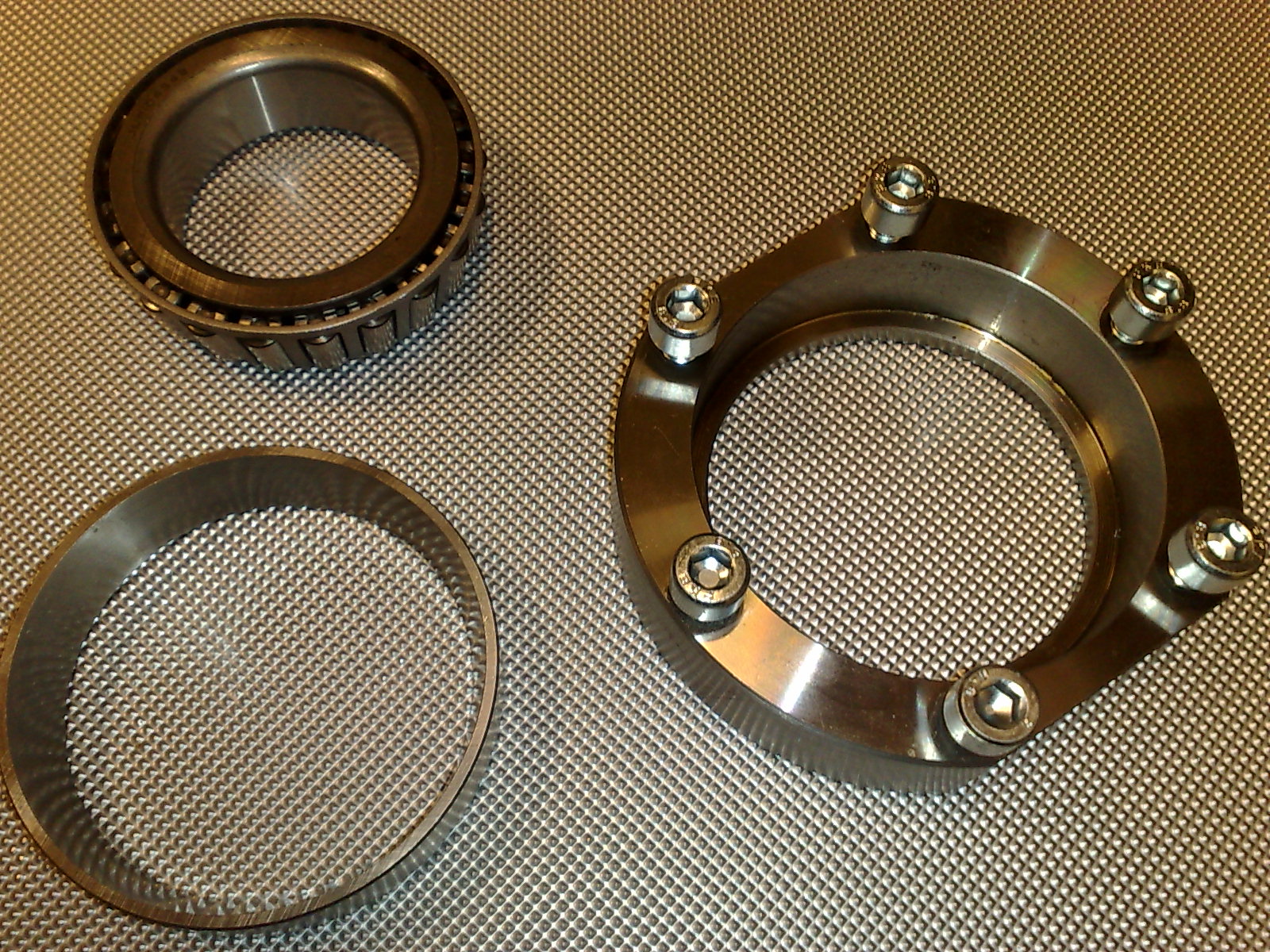
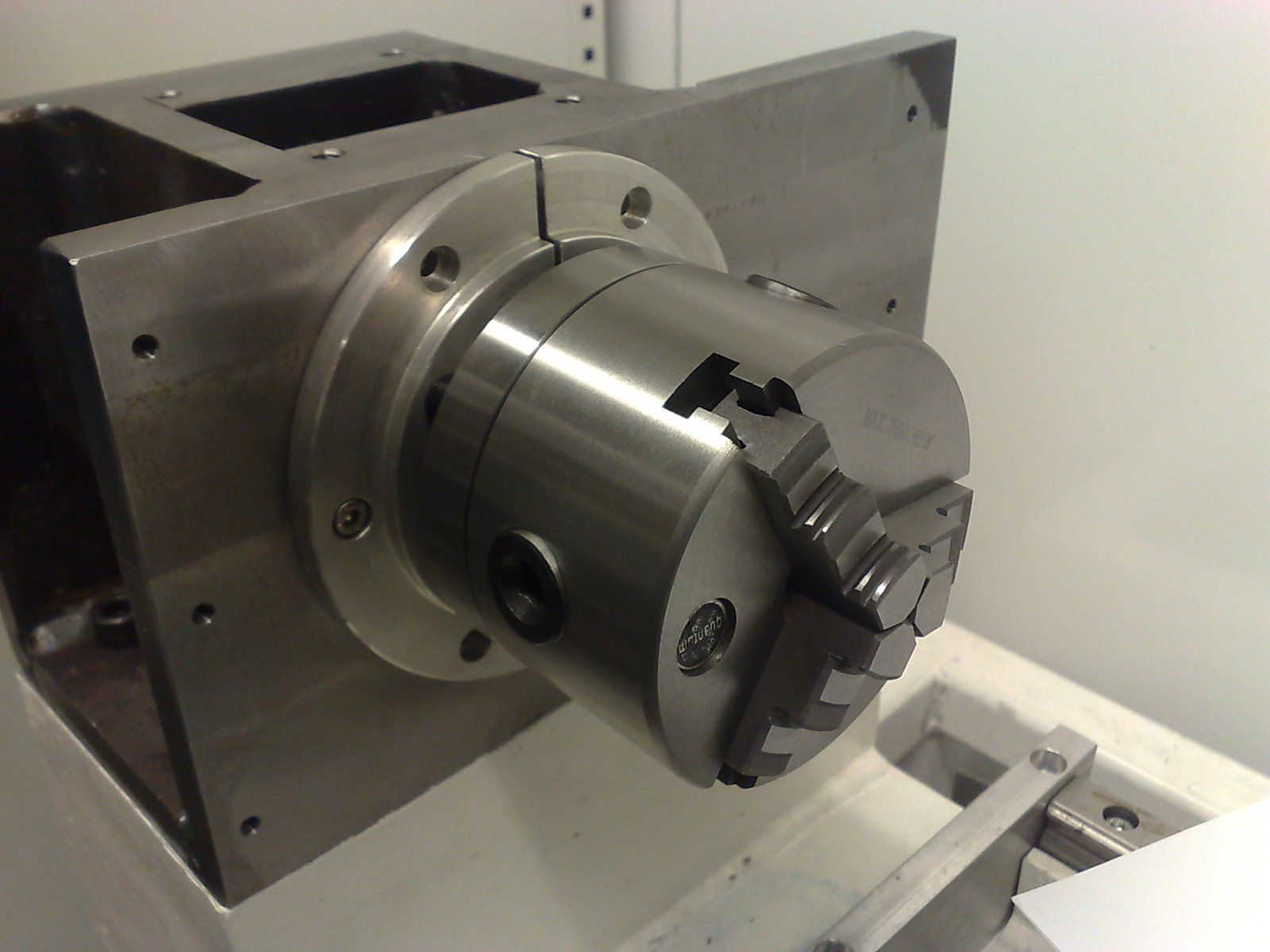
The lathe-project I bought in November is slowly moving forward. I got an Optimum/Quantum 100mm 3-jaw chuck for it today. Turns out the spindle needs to be disassembled to attach the chuck, so this was an opportunity to look at how the spindle is built.
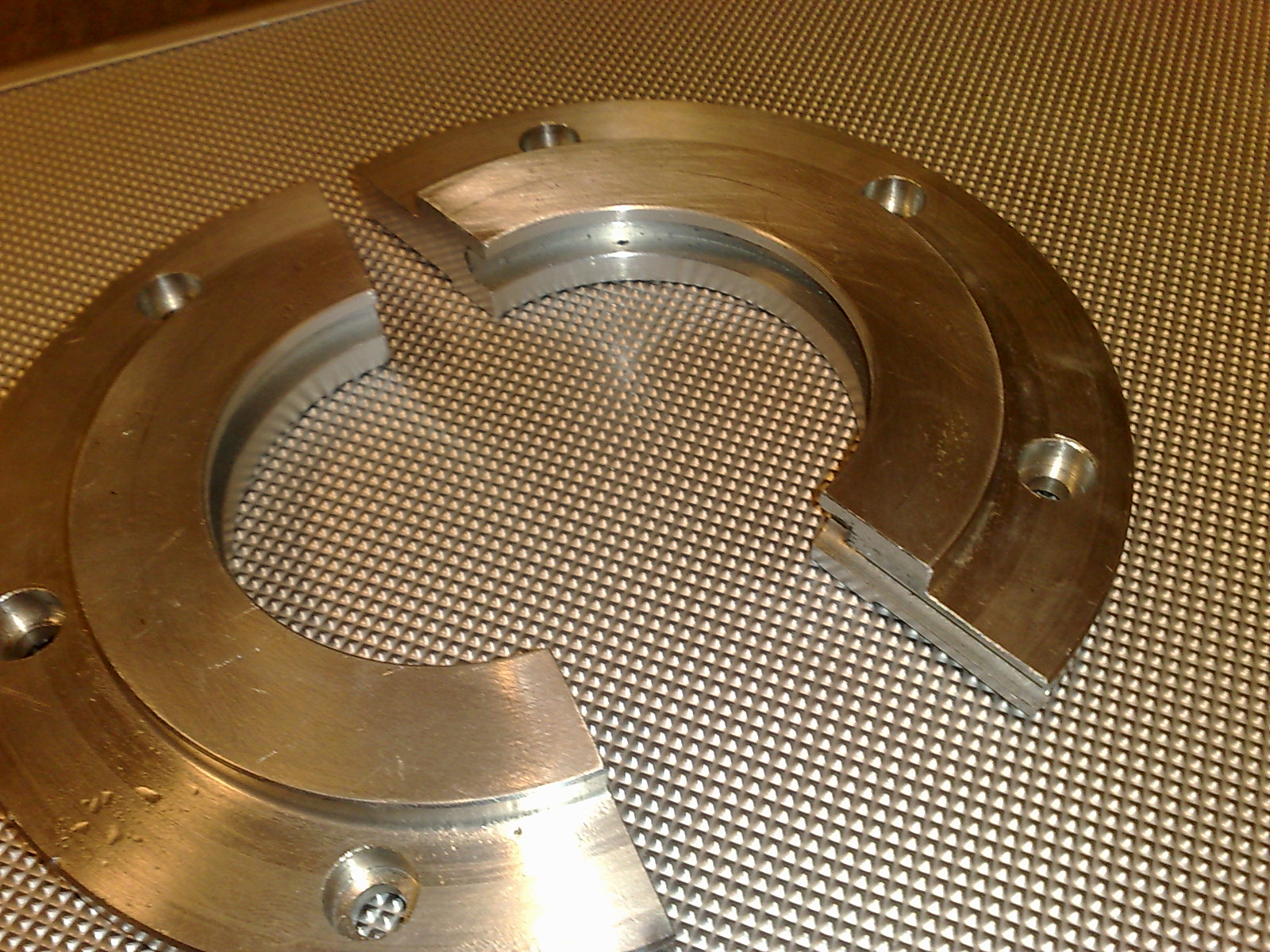
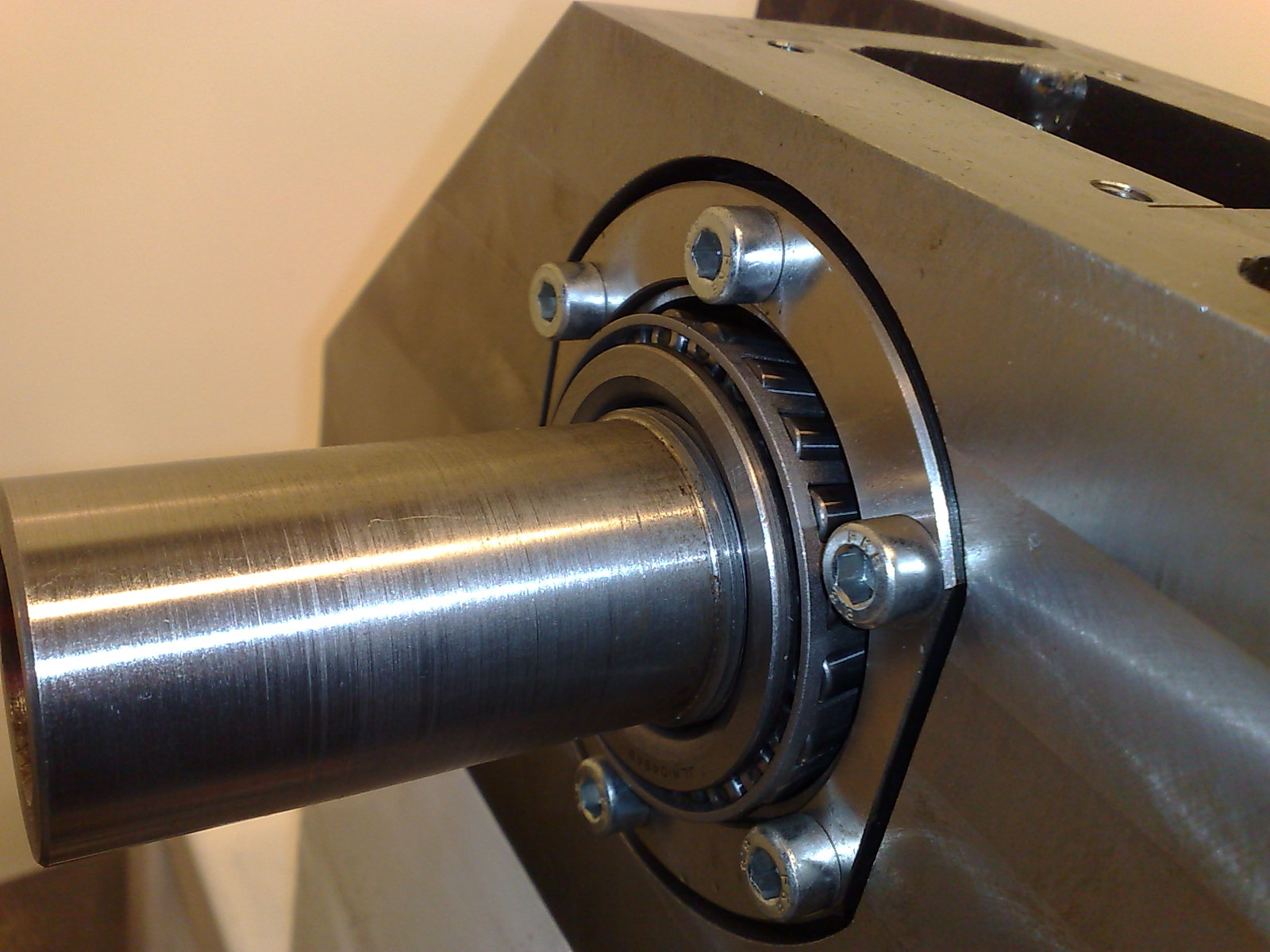
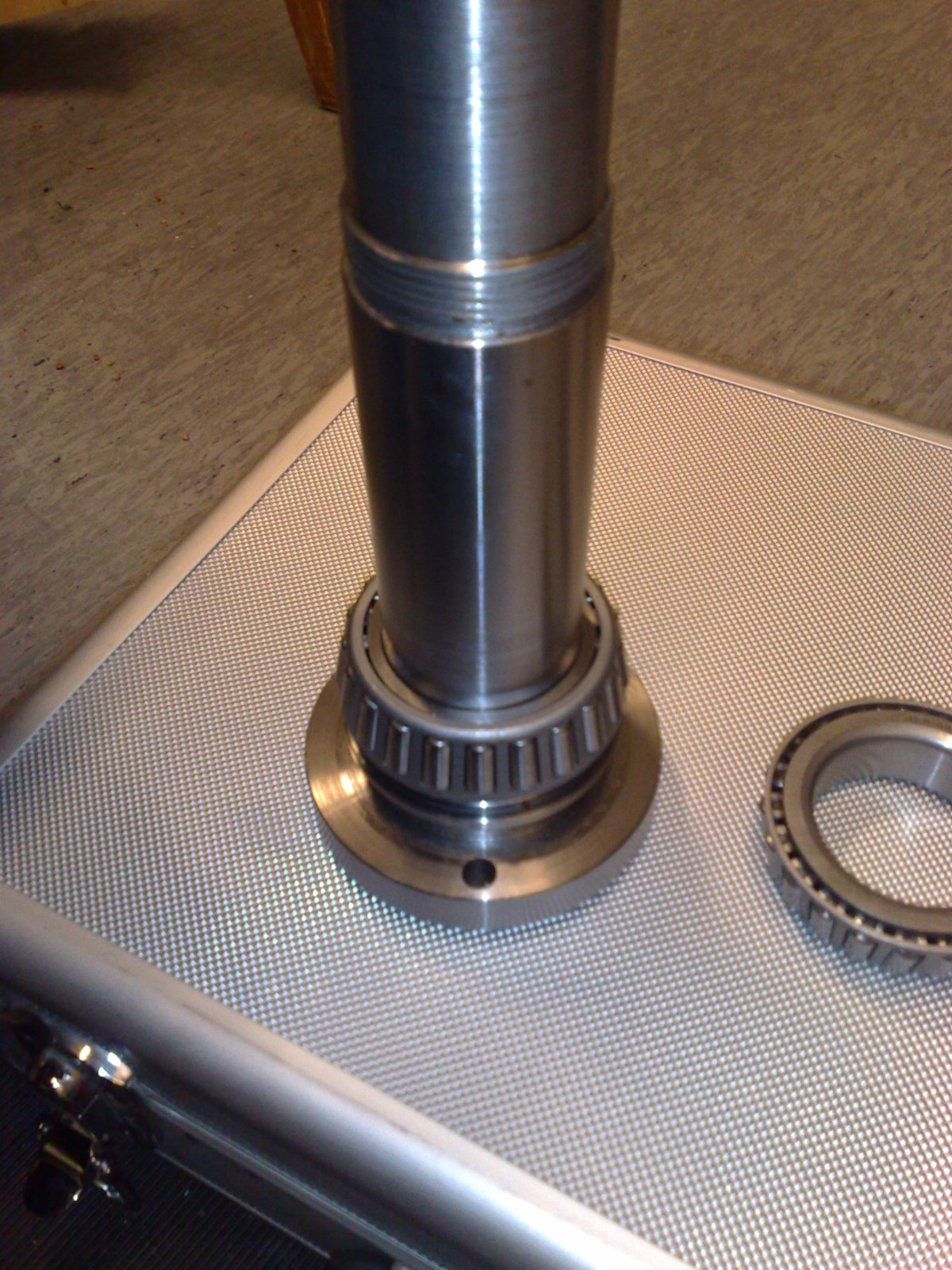
The front bearing seat is machined into the spindle box, while the back bearing seat is a separate bolted on part. The front bearing has a nice 2-part aluminium chip-guard which protects the bearing from coolant and chips. A chip/dust-guard for the back bearing would probably be a good idea too. The spindle is held in place with a nut against the back bearing that tightens the whole assembly. This nut will probably need a set-screw or something else to secure it rigidly (rapid accelerations, changes of direction etc. might otherwise loosen it?). The chuck attaches with three M8 hex bolts, and the 20mm ones which came with the chuck are a bit short - need to buy 3pcs 25mm M8 hex bolts. For now everything is dripping with anti-corrosion spray, but for use the bearings will require either grease or oil (oil is better for higher RPM?). Also, I need to source a timing-belt and 1:1 pulleys to transmit ca 2kW @ 3000-3500RPM from the spindle-servo up to the spindle. Any suggestions?
2:12:56 Helsinki City Run
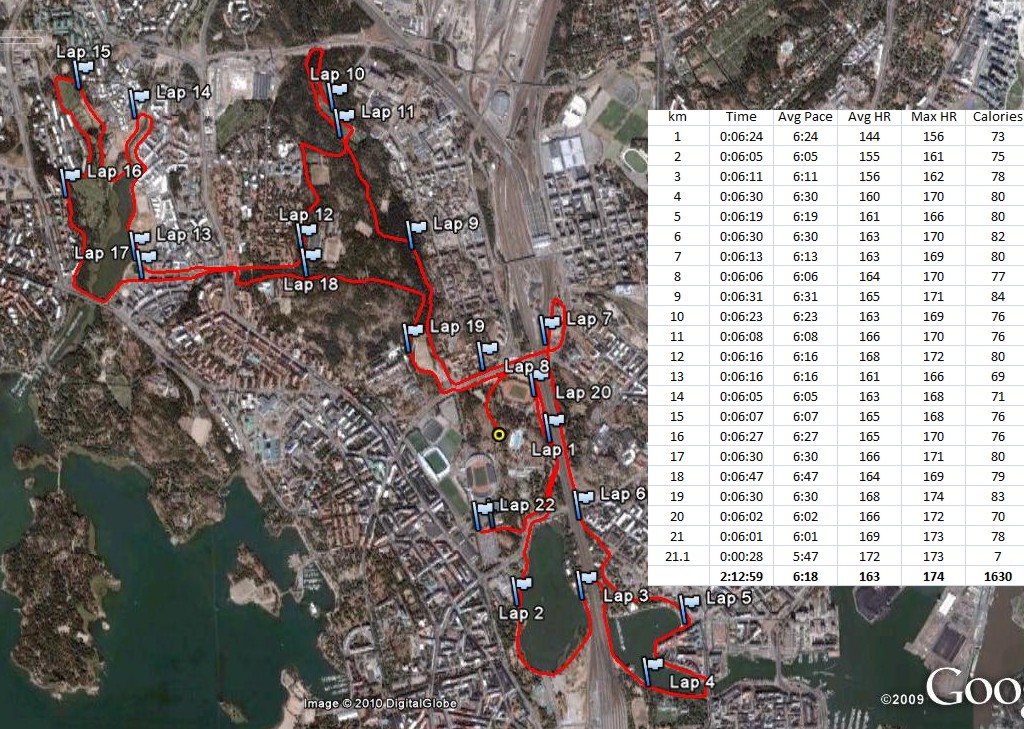
Despite forecasts of rain during the week the weather cooperated nicely and we only got wet after 18 km or so.
At about 14 km my legs started to feel heavy, and after the last gatorade+water station at 17 km I started walking all the uphills.
I finished in 6345th place (yay!) out of 13100 runners, and the timing-chip time was 2:12:56, my own garmin said 2:12:59, and my official time (start-gun to finish) was 2:13:16.
Results and info here: http://www.helsinkicityrun.fi
Links - 2010 May 6
- 10 Reasons To Delete Your Facebook Account - Facebook doesn't (really) support the Open Web
- Making Rain Clouds With Lasers -
- Photos: iFixit Rips Open iPad 3G -
- iPad Jailbreak Ready for Download -
- 6 Things You Should Know About Isaac Newton -
- Strange Geographies: Searching for the “Real” Venice -
- Million dollar baby – Businesses designing and selling open source hardware, making millions -
- First Fire -
- Facebook's "Evil Interfaces" -
- What Every Programmer Should Know About Floating-Point Arithmetic -
- MATLAB Can't Manipulate 64-Bit Integers -
- Found Footage: Cat and iPad play well together -
- Astonishing Paper Illustration by Yulia Brodskaya -
- Helicam Combines Toy Helicopter and Camera for HD Videos -
- A Brief, Incomplete, and Mostly Wrong History of Programming Languages -
- Ubuntu Linux 10.04 Review (Lucid Lynx) -
- Pixelated Planks: Pac-Man Cutting Board -
- Acadalus, The $5,000 Self-Leveling Tripod Head -
- More from Eyjafjallajokull -
- Recent development in CNC machining of freeform surfaces: A state-of-the-art review -
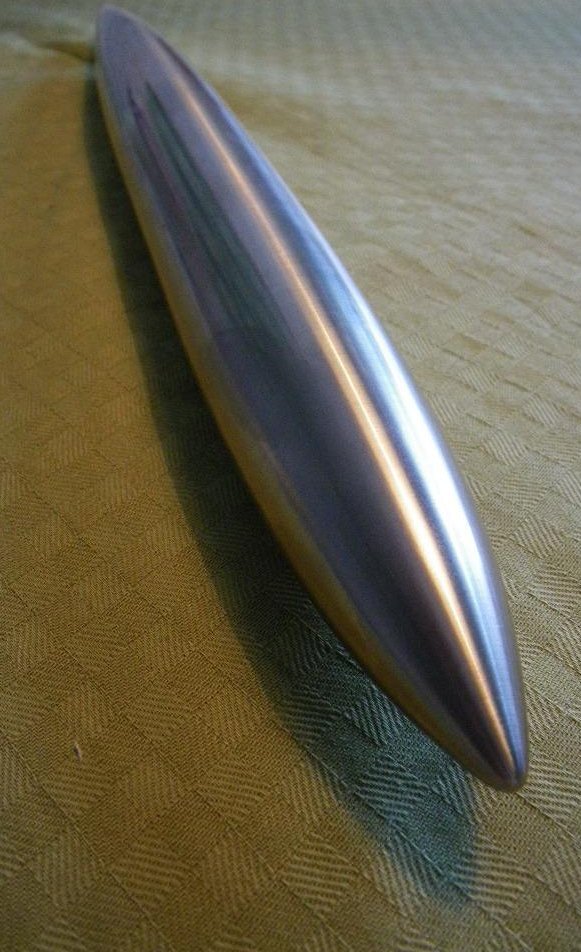
CNC-turned stainless steel IOM bulb
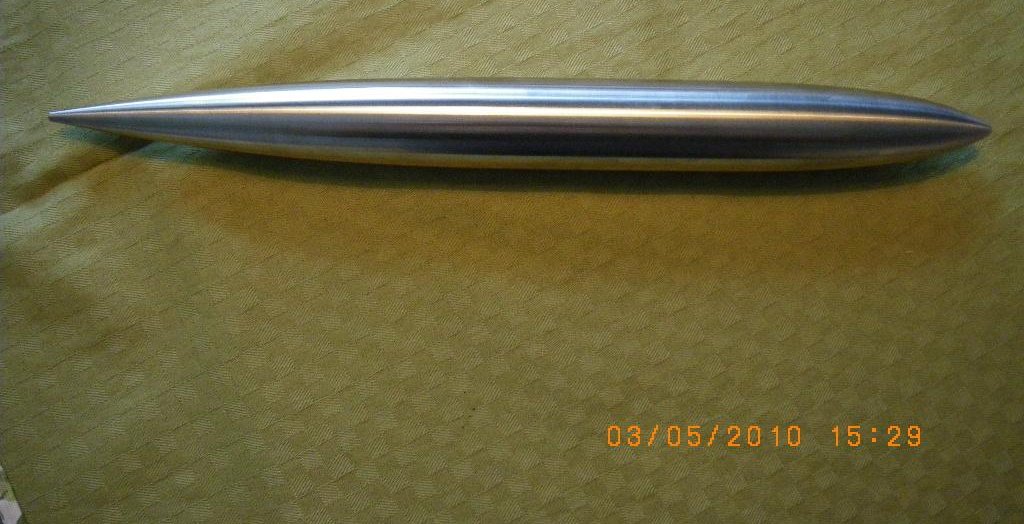
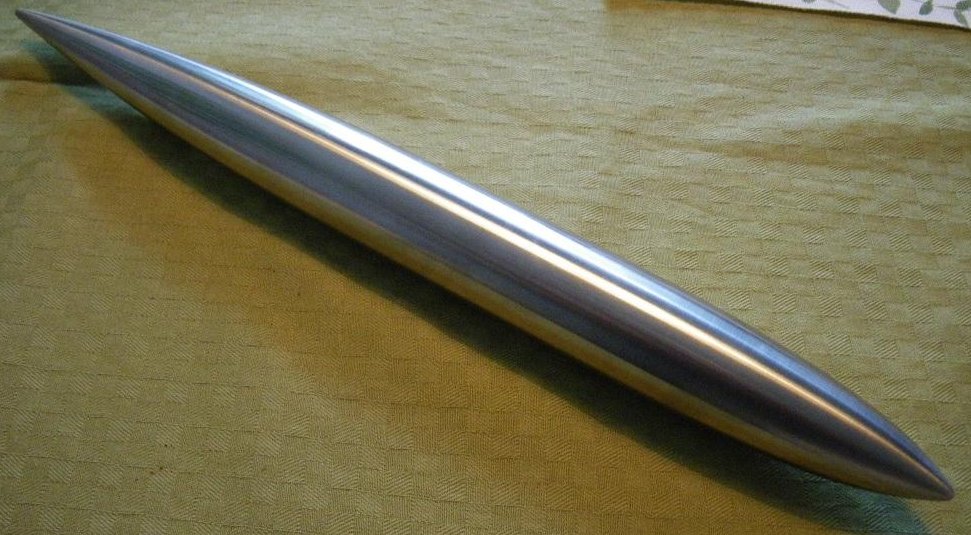
CNC-turned from stainless steel, this is a 400mm long and 38mm diameter IOM keel bulb. A slot will be milled in the middle for the keel fin. Unlike a lead-bulb this one will require no surface filler/sanding/painting. But the density (compared to water) of stainless steel is 8 at most, while lead bulbs can be close to 11 (depending on the lead-alloy), which means the volume of this bulb is slightly larger.
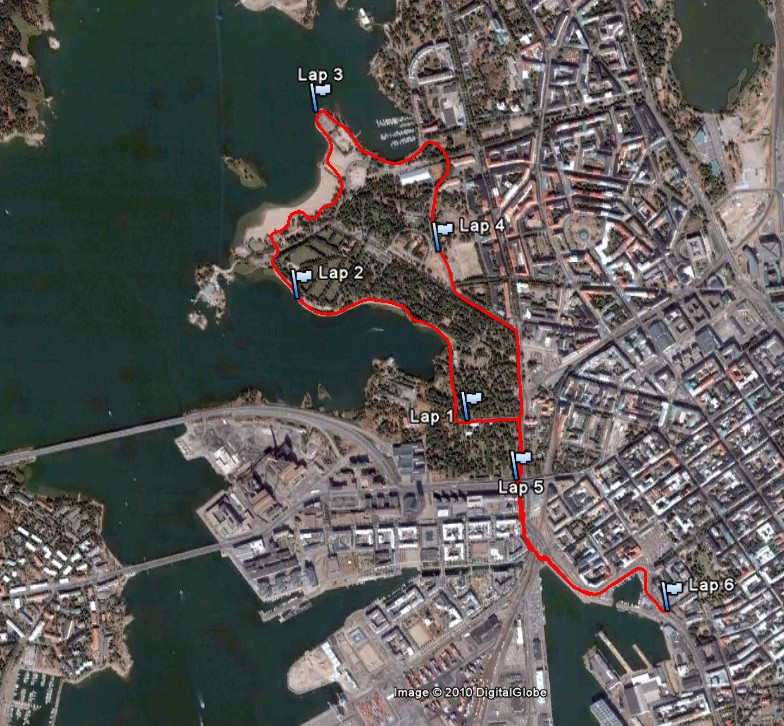
Sunday seventeen
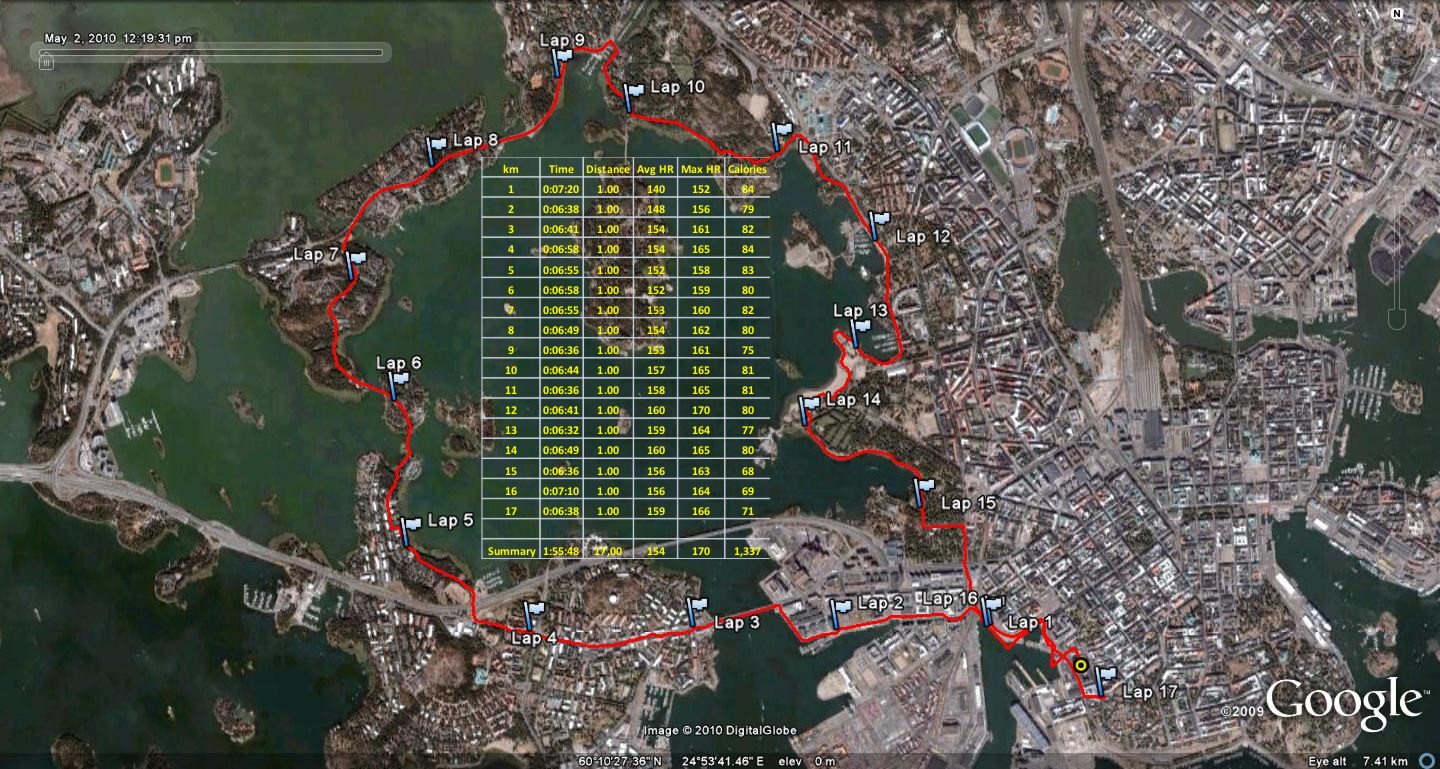
The books seem to tell me that to gain endurance you don't have to run fast, and often recommend a pace 90s to 2min/mile slower than race-pace for long runs. That's around 6:30 to 7min/km pace if race-pace is a 4h marathon. My avg. pace was 6:48/km today at avg. HR 154. A recovery jog on Monday or Tuesday, and then a faster 5k on Wednesday or Thursday - that should be about the final prep for the half-marathon next Saturday.
This scenic loop is close to what they use for part of the Helsinki City Marathon (2009 map here).
Composite cutters for ocl
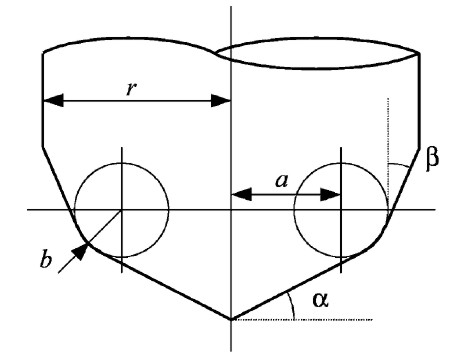
People who, unlike me, actually know something about programming often talk about design patterns. One common idea is to compose objects out of other objects.
I was able to add four new APT-tool like cutter classes to ocl with about 5-lines of code for each cutter (sans the bugfixing, taking much longer, that also took place simultaneously 🙂 ).
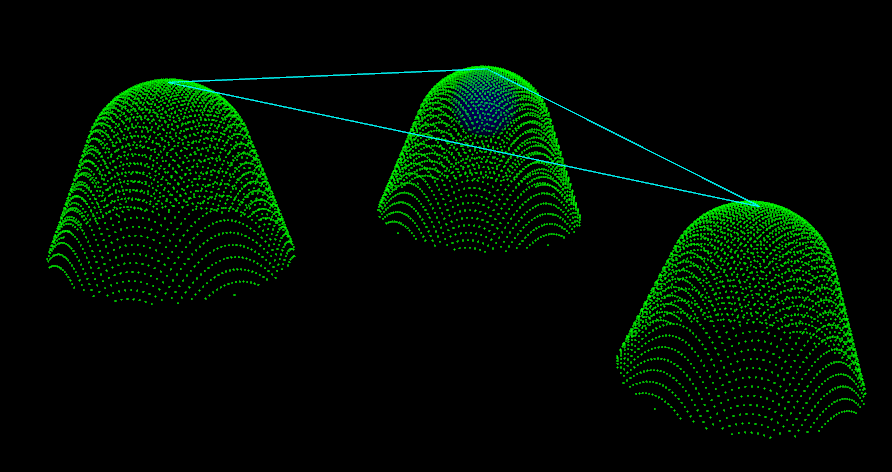
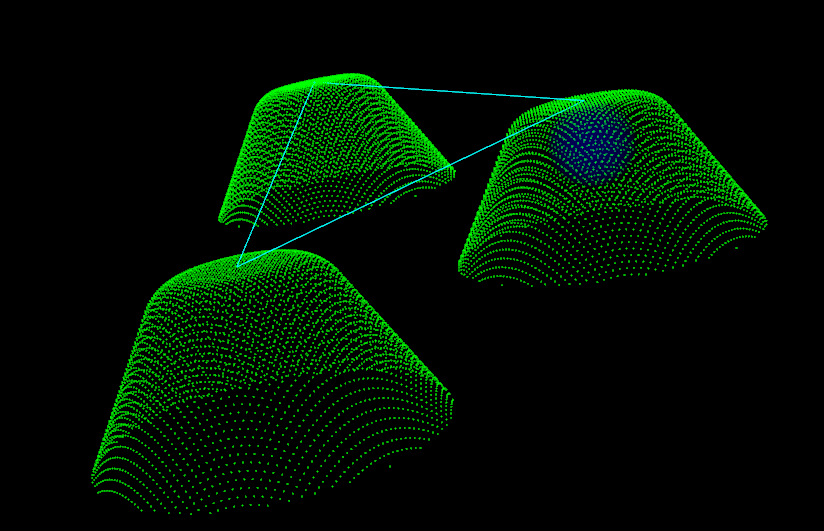
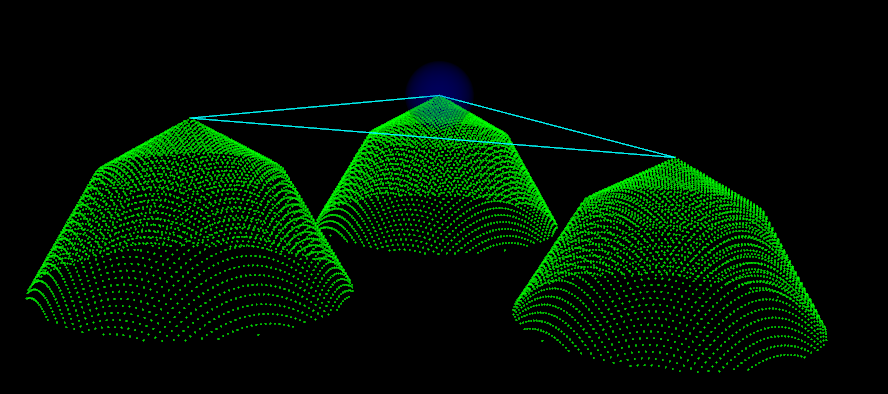
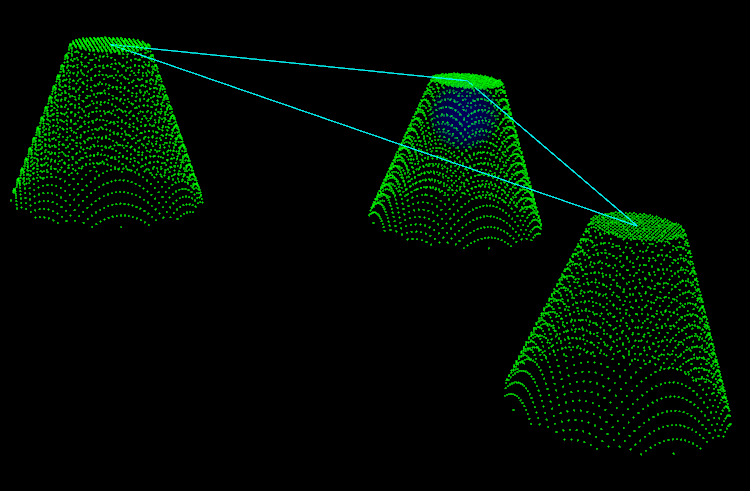
These show CL-points resulting from the vertexDrop() function, which results in a shape that looks like the cutter, but inverted.
Other combinations of the basic shapes (cylinder, sphere, torus, cone) are fairly easy to add now also if someone actually needs them.